
Kawah Ijen is one of Indonesia’s most awe-inspiring natural wonders. You can learn more about Indonesia’s tourism through Indonesia Ministry of Tourism Located in East Java, this volcano offers a once-in-a-lifetime hiking experience that combines adventure, science, and local culture.
Whether you are planning a mandiri hike or joining a guided tour, this Kawah Ijen guide will help you understand everything—from how to get there and the best time to visit, to safety tips and what to expect during the climb.
For a hassle-free experience, you can join our Ijen Crater Blue Fire Tour with professional guides and complete facilities.
Kawah Ijen is part of the Ijen volcanic complex in Banyuwangi, East Java. It rises about 2,799 meters above sea level.
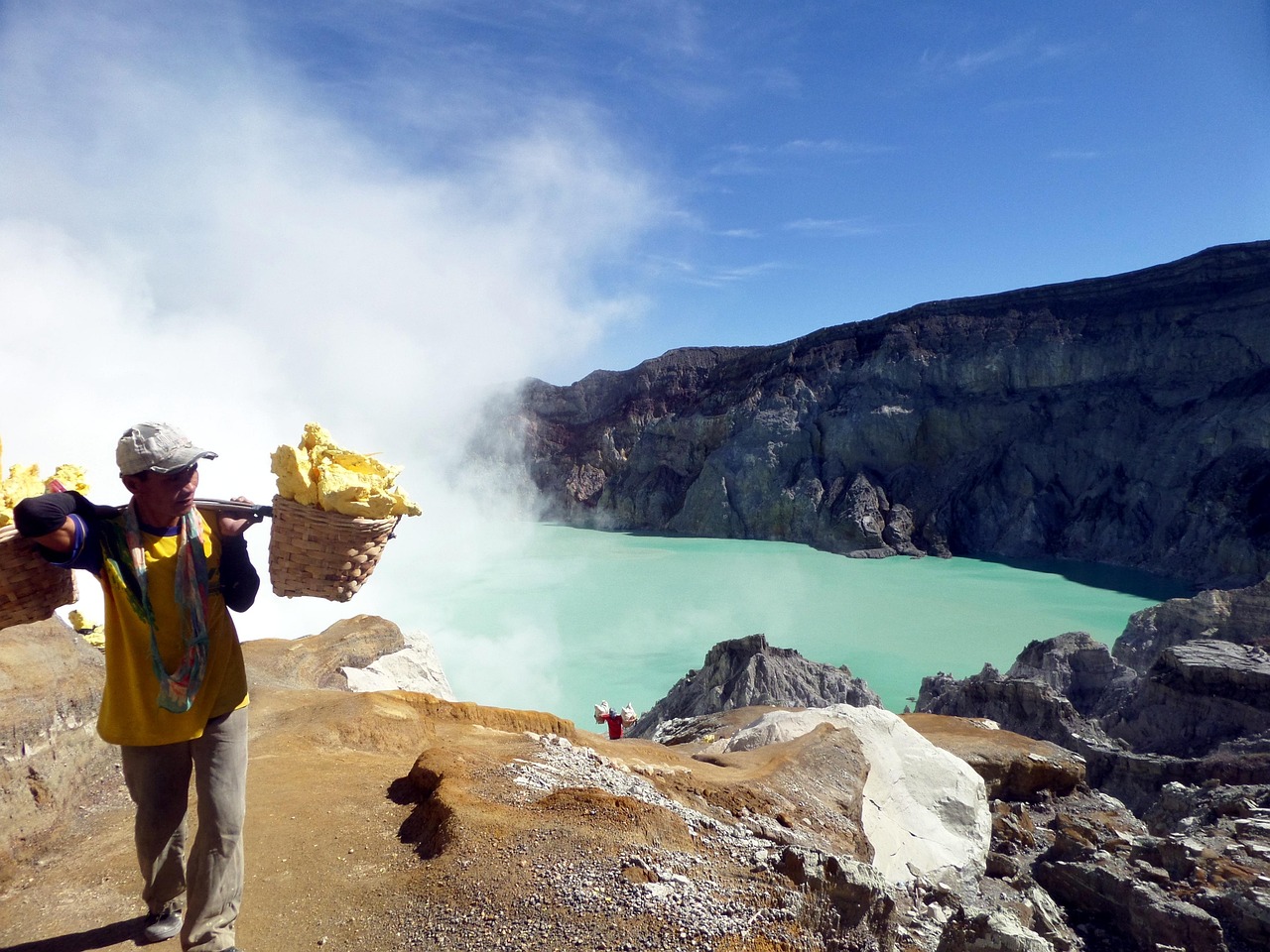
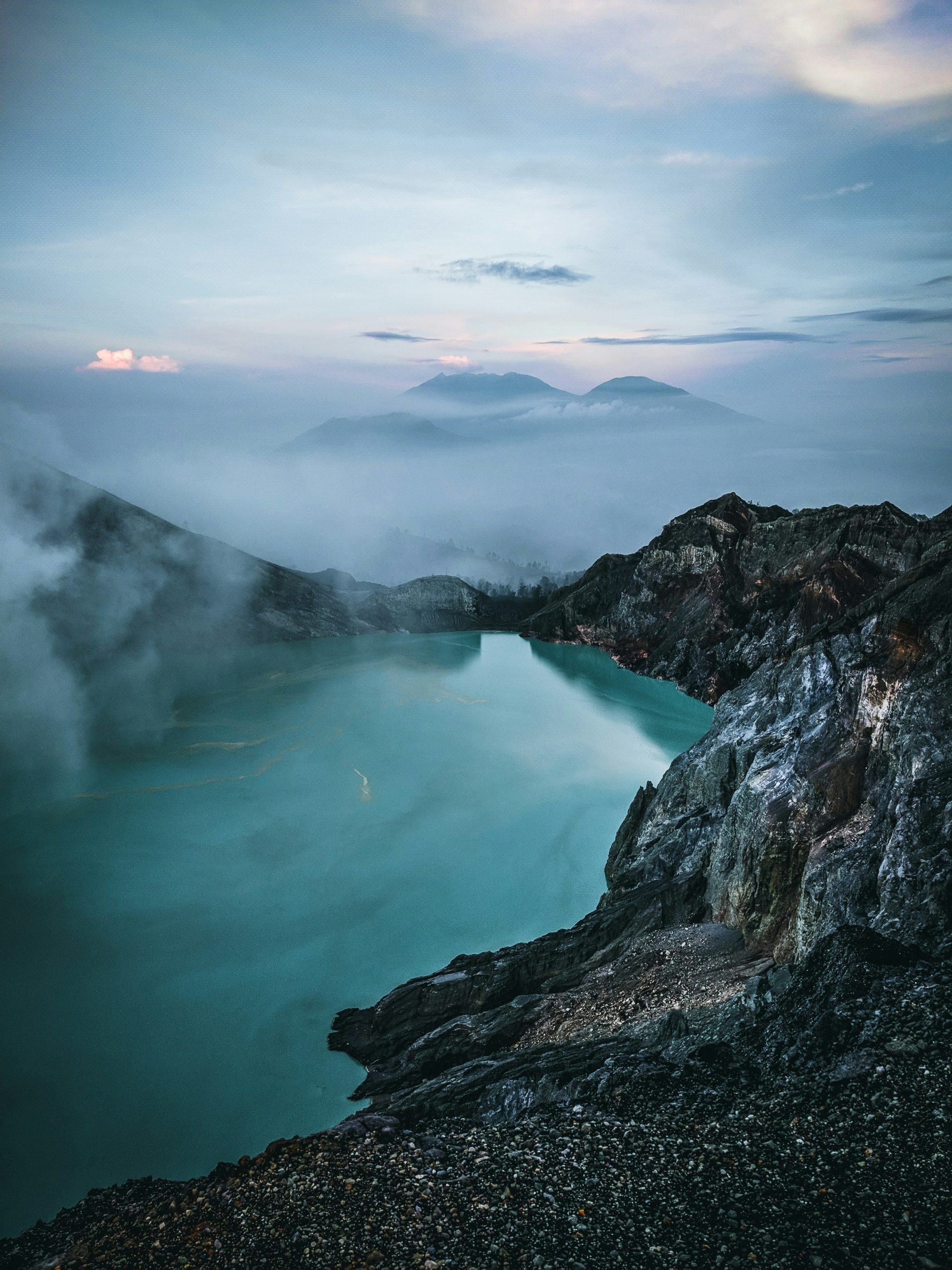
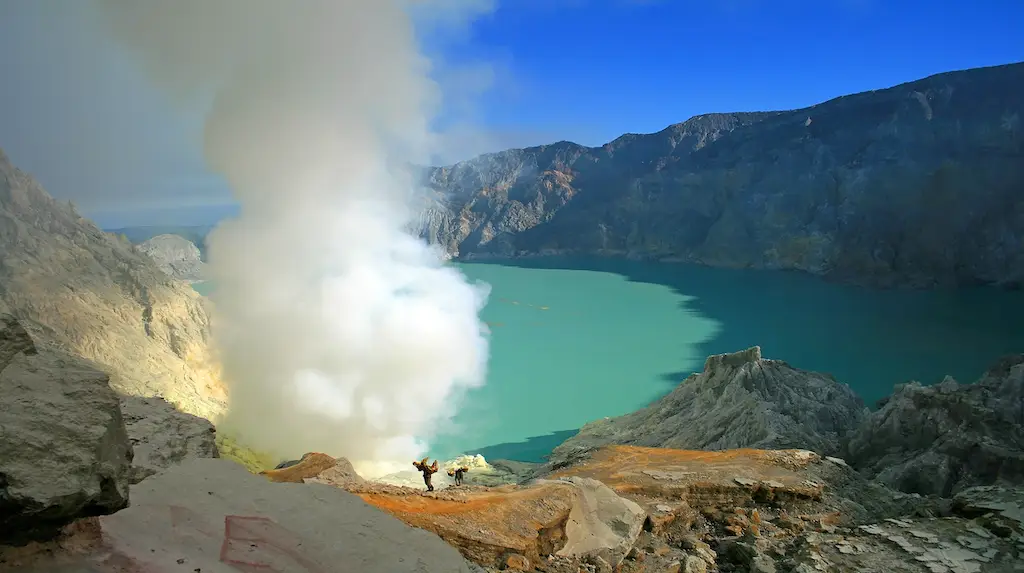
Furthermore, it is home to the world’s largest acidic crater lake. This lake glows a surreal turquoise under the morning sun.
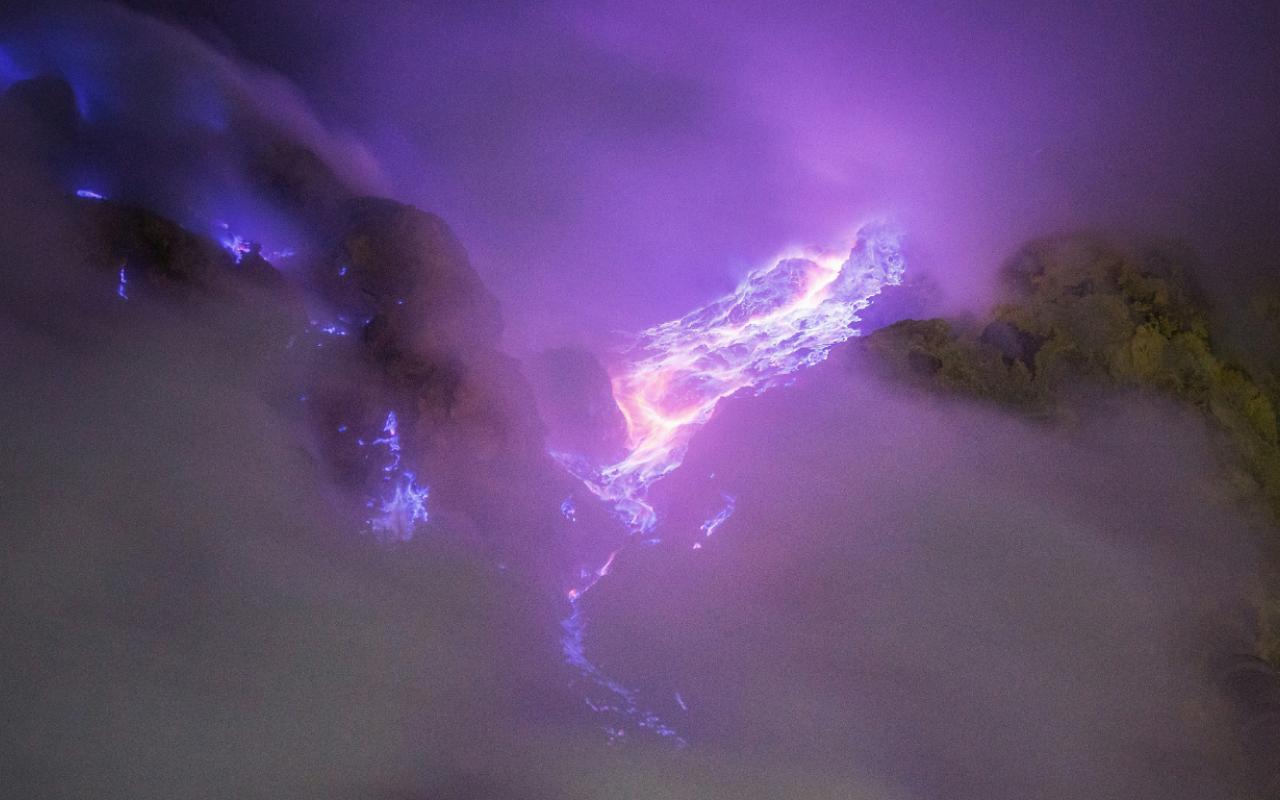
However, what truly sets Kawah Ijen apart is its blue fire. This is a rare natural phenomenon. It is caused by burning sulfuric gases that ignite upon contact with oxygen.
Consequently, at night, the crater comes alive with ghostly blue flames. Thereby, it creates one of the most otherworldly sights on Earth.
First and foremost, visiting Kawah Ijen is more than a sightseeing trip. It is, rather, a journey into Earth’s raw power.
Witness the rare blue fire phenomenon (only found in Indonesia and Iceland)
Next, Experience a sunrise above the largest acidic crater lake in the world
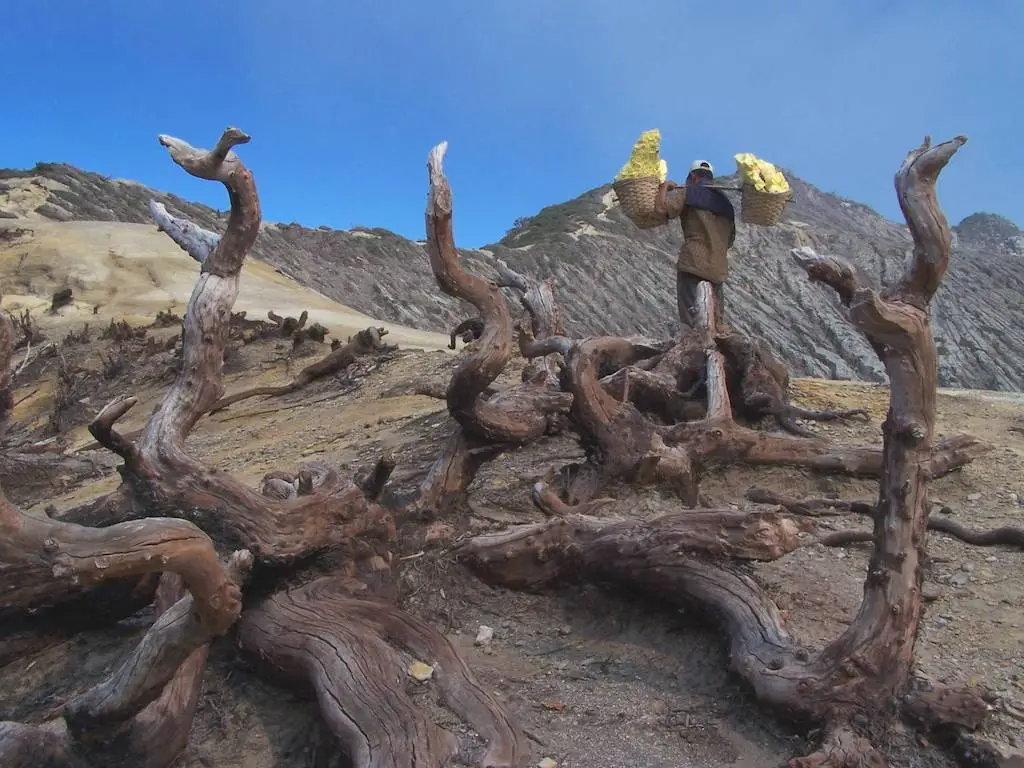
Furthermore, Meet local sulfur miners and learn about their daily life
Finally, Combine your trip with other destinations like Bromo and Banyuwangi
You can also join our Ijen Crater Blue Fire Tour for a guided experience including transport, safety gear, and local expert guides.
Explore more experiences around Kawah Ijen:
The best time to visit is during the dry season (April–October). Since the skies are clear, trails are safe.
In order to maximize your experience, start your hike at midnight (around 1 AM). This allows you to reach the crater before sunrise. Thereby, you witness the blue fire in full glow.
Temperature: However, expect 5-10°C at night. So bring warm layers!
Avoid: Therefore, avoid the rainy season (November–March). This is because of slippery paths and limited visibility.
Plan your Kawah Ijen adventure with our expert team. Contact us now for a customized itinerary and safe travel experience in East Java.
Banyuwangi is the closest city. It is only 1.5 hours away by car or motorbike.
Furthermore, you can easily book a local guide. Alternatively, you can join an organized tour. This tour includes transportation, entry fees, and safety gear.
If traveling from Bali, take the ferry from Gilimanuk to Ketapang (1 hour). Then, you must continue by car. This drive goes to Paltuding Base Camp.
In contrast, Surabaya offers a 7-hour drive or train ride to Banyuwangi. Subsequently, this is followed by a short transfer to Paltuding.
Consequently, Paltuding serves as the main trailhead. It is here you’ll begin your ascent to the crater.
Trail Length: First, plan for 3 kilometers uphill. This takes 1.5-2 hours.
Difficulty: Overall, the difficulty is Moderate. Therefore, it’s suitable for fit beginners.
Elevation Gain: Specifically, expect about 500 meters of gain.
Highlights: The major draws include the blue fire at night, sunrise views, the turquoise lake, and interaction with miners.
Safety: Crucially, gas masks are essential. This is due to sulfur fumes. Consequently, bring a headlamp and hiking shoes.
Firstly, wear a gas mask at all times near the crater rim.
Furthermore, hire a certified local guide. This is for safety as well as cultural insight.
Also, respect miners. Crucially, avoid obstructing their work.
Moreover, follow official trails. You must never enter restricted zones.
Finally, avoid touching lake water. This is because it is highly acidic and can burn skin.
The blue fire of Kawah Ijen occurs when sulfuric gases ignite. This happens upon exposure to oxygen. Thus, it burns at temperatures above 600 °C (1,112 °C).
Therefore, the flames result from chemical combustion, unlike lava. They are visible only in total darkness.
However, as daylight breaks, the glow fades. It is replaced by stunning views of the acidic turquoise lake. Consequently, this is one of the world’s most acidic bodies of water.
First, pack a warm jacket, gloves, and trekking shoes.
Additionally, ensure you have a Gas mask. It is available at the base camp.
Moreover, bring a Headlamp or flashlight. This is needed for night trekking.
Furthermore, carry a Refillable water bottle and light snacks.
In closing, pack your Camera and tripod. This is for low-light photography. Also, be sure to bring Extra cash for entrance fees or local snacks.
Combine your trip with other East Java highlights such as:
Kawah Ijen’s ecosystem and local communities need protection.
Travel with eco-conscious tour operators.
Avoid littering and use reusable bottles.
Support local guides and artisans.
Be respectful of miners’ working conditions. Always ask before taking photos.
First and foremost, the hike is safe. However, it is safe only with proper equipment and guidance. Therefore, always wear a gas mask. Also, stay with your guide at all times.
Absolutely not; the water is highly acidic. Consequently, it is unsafe for any contact whatsoever.
Specifically, the optimal viewing period is between midnight and 4 AM. This is just before sunrise.
Overall, the ascent takes roughly 1.5-2 hours to the crater rim. Please note this is in addition to time to descend.
Yes, Kawah Ijen is one of the most unique volcanoes in the world, famous for its blue fire and stunning crater lake.
While it is possible to hike independently, using a guide is highly recommended for safety and better experience.
The hike is moderate and takes around 1.5–2 hours to reach the crater.
Wear warm clothing, hiking shoes, and bring a gas mask for protection from sulfur gases.
Ready to experience the blue fire of Ijen? Book your tour today and travel safely with our professional guides.
Kawah Ijen is more than a destination. It is, rather, a raw encounter with nature’s extremes.
Indeed, it offers a glimpse into the Earth’s elemental forces. This is from its rare blue fire to its hauntingly beautiful crater lake. It consequently also shows the resilience of the people who live beside them.
Therefore, a visit here is not just about adventure. It is also about understanding harmony. This harmony exists between humanity and one of the planet’s most surreal landscapes.
EXPLORE . EXPERIENCE . DISCOVER INDONESIA
Javaindo Ecotourism is a local Indonesia tour operator and Destination Management Company (DMC), creating private and tailor-made journeys across Java, Bali and beyond. Our local destination experts combine in-depth knowledge, trusted local connections and on-the-ground support to design authentic Indonesia travel experiences around your interests, pace and travel style.
16+ years of destination knowledge
Private journeys designed around you
Local team from arrival to departure

AUTHENTIC JOURNEYS A BRIGHTER TOMORROW