Banyuwangi Travel Guide: Ijen, Baluran & Beaches

Banyuwangi Travel Guide

Introduction

Banyuwangi is on the eastern tip of Java. It is a dynamic regency. Moreover, it has become one of Indonesia’s fastest-growing travel spots.

It is strategically positioned across the Bali Strait. Banyuwangi, consequently, offers a perfect balance of adventure, nature, culture, and wildlife. The region appeals to all travelers. This is due to its beaches, national parks, volcanoes, and vibrant Osing culture.

Furthermore, Banyuwangi is called the Sunrise of Java. It serves as the main gateway to Indonesia’s iconic spots. These include Ijen Crater, Baluran National Park, and Red Island Beach.

Tourism infrastructure is increasing. This includes hotels, transport, and eco-lodges. Due to this, Banyuwangi is now a top destination for both local and international visitors.

Therefore, this guide provides everything you need to plan your trip. You will find top attractions, itineraries, travel tips, and more.

Why Visit Banyuwangi?

Banyuwangi is one of Indonesia’s best destinations. It has varied landscapes. These range from volcanic mountains to savannah grasslands. They also include dense forests and clear beaches. Consequently, here’s why travelers love this region:

Home to World-Class Natural Attractions

Banyuwangi hosts some of Indonesia’s most iconic natural places. These include the following:

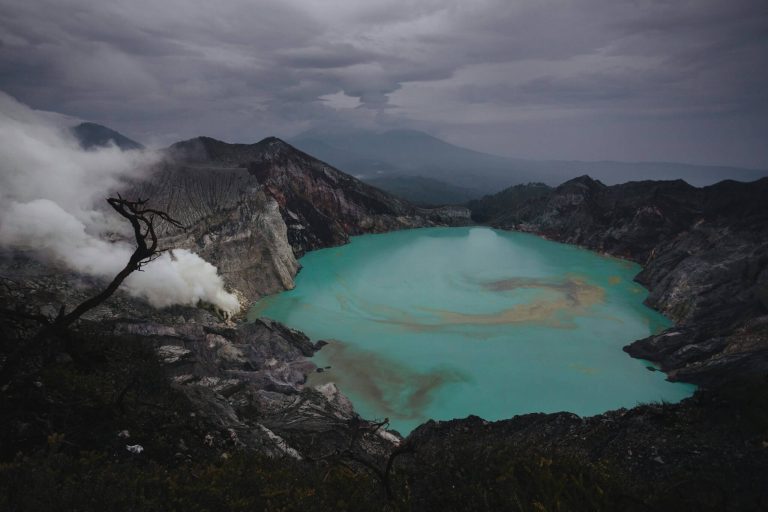
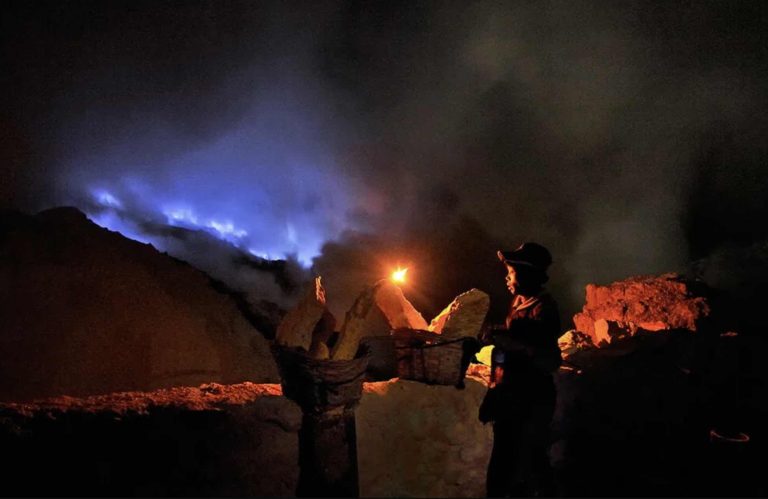
  • First and most famously, you will find Ijen Crater. It is known for its electric-blue flames and turquoise acidic lake.

  • Next is Baluran National Park. People often call it the “Little Africa of Java.”

  • Furthermore, adventure seekers can find Plengkung (G-Land). It is one of the world’s best surfing waves.

  • Finally, the region also offers Mangrove forests, coffee farms, waterfalls, and hidden beaches.

Easy Access from Bali and Surabaya

Banyuwangi is located across the Bali Strait. Consequently, it is very easy to reach. You can get there via ferry, flights, or train. Therefore, many travelers combine a trip to Bali with a Banyuwangi adventure.

Cultural Diversity and Osing Traditions

Banyuwangi is the home of the Osing people. They are known for two things. First, they have the traditional Gandrung dance. They also have unique local food. Furthermore, they are famous for community tourism.

Less Crowded Than Bali

Visitors enjoy nature, beaches, and wildlife. They see no heavy crowds. Therefore, this place is perfect for relaxing and taking photos.

Strong Eco-Tourism Development

Banyuwangi has won awards for green tourism. A notable one is the ASEAN Clean Tourist City award. As a direct result, many local tours emphasize three things. These are conservation, community involvement, and earth-friendly methods.

Top Attractions in Banyuwangi

Below is a list of places to visit. These are the best spots in Banyuwangi. They make it an exciting travel region.

Ijen Crater & Blue Fire

Mount Ijen is Banyuwangi’s best spot. It is one of the world’s most amazing volcanoes. However, the Blue Fire is the main highlight. You can see this fire only before the sun rises. Specifically, this rare natural occurrence is caused by ignited sulfuric gases that emerge from cracks in the crater.

Ijen Volcano Tour

Why Ijen is a Must-Visit

First and foremost, it is Home to the world’s largest acidic lake.

Furthermore, its Blue Fire is visible in only two places on Earth.

Moreover, visitors witness a Stunning sunrise over a turquoise volcanic lake.

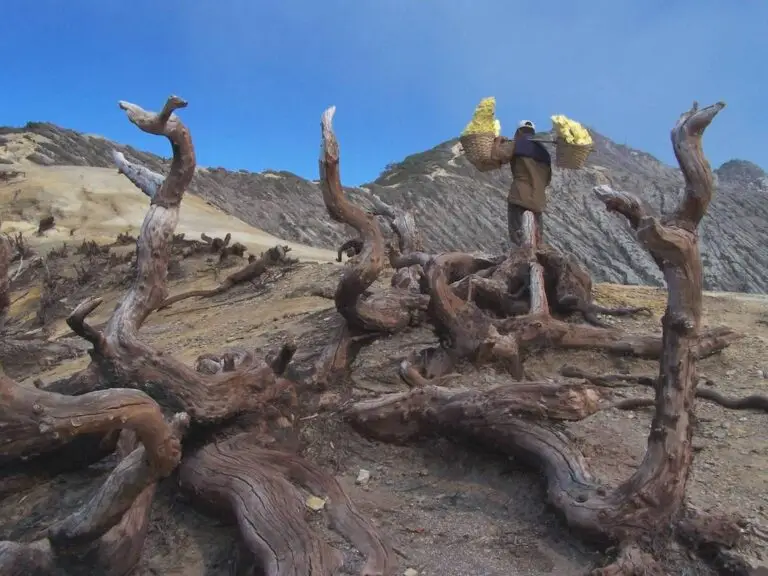
You will also observe unique sulfur-mining activity, which offers powerful human stories.

Finally, the trek is Suitable for beginner to intermediate hikers.

What to Expect on the Hike

The trek starts around midnight. More accurately, it begins specifically at the Paltuding base camp.

Subsequently, and as a rule, reaching the rim takes about 1.5 to 2 hours. You then spend another 30 to 40 minutes descending. Be aware, however, that this descent time depends entirely on safety rules.

Ultimately, after all the effort, the Sunrise provides amazing views. In fact, you can see the entire Ijen area.

Important Tips

  • First and foremost, you must wear a proper gas mask.

  • Furthermore, bring warm clothes, gloves, and strong shoes.

  • In addition, hiking poles are best to have.

  • Finally, remember this: Blue fire visibility depends only on weather and volcano status.

Baluran National Park

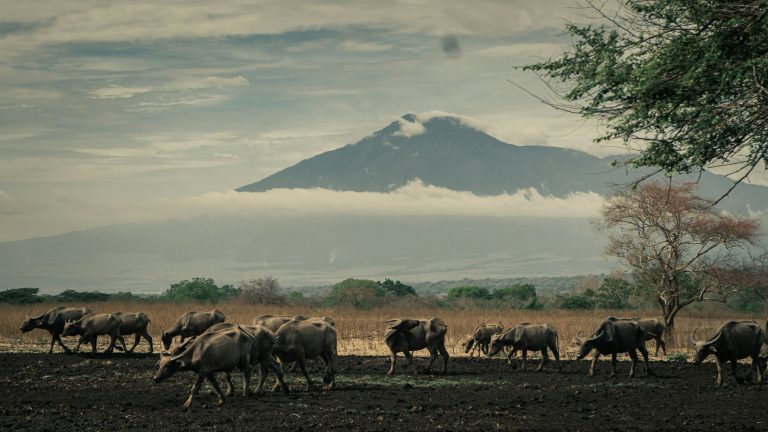
Baluran National Park looks like a savannah. It is much like East Africa. Consequently, this earned the park a nickname. People call it “Africa van Java.”

Furthermore, the park is very large. It covers over 25,000 hectares. It is also home to many different animals.

Baluran Safari Tour

Highlights

First and foremost, explore the Bekol Savannah. It has wide, open grass fields.

Furthermore, look for many different animals. These include Banteng, deer, monkeys, and peacocks.

Next, visit Bama Beach. You can see a mangrove forest and also snorkel there.

Finally, for photos, sunrise and sunset are very beautiful.

Best Time to Visit

June to September is the driest time. This is why you will see clearer skies. You will also see more active animals.

Alas Purwo National Park

Alas Purwo is known for its magical history. It is also famous for its wild, remote land. Consequently, it has many different environments. These include savannahs, tropical forests, and holy sites.

G-Land

Top Spots

Alas Purwo National Park is easy to explore and offers many great sights.

  • Sadengan Savannah is the first stop. It’s like Baluran, but much quieter.
  • Next, visit Plengkung (G-Land). This spot has world-famous surfing waves.
  • Also, you can find Historic Cave Sites. These are meditation spots still used by spiritual people.
  • Alas, Purwo has a lot to offer. It’s perfect for taking wildlife photos, watching birds, or going on a surf trip.
    •  

Red Island Beach (Pulau Merah)

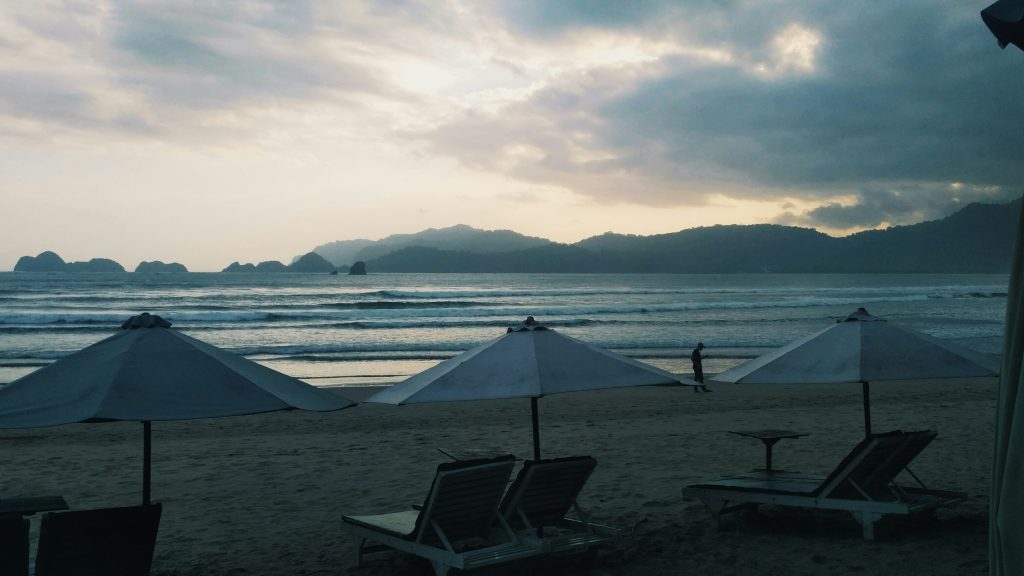
Red Island is famous for its gentle waves. It is also known for its striking red hills. These hills are located right near the coast.

.Red-Island-P.-Merah

Why Visit

Here are the best things about this spot:

First, it’s excellent for beginner surf lessons. In addition, visitors enjoy stunning sunsets. Moreover, you will find a clean, long white-sand beach. Finally, the area has a relaxed fishing village feel.

However, remember that the best surfing is specifically from April to October.

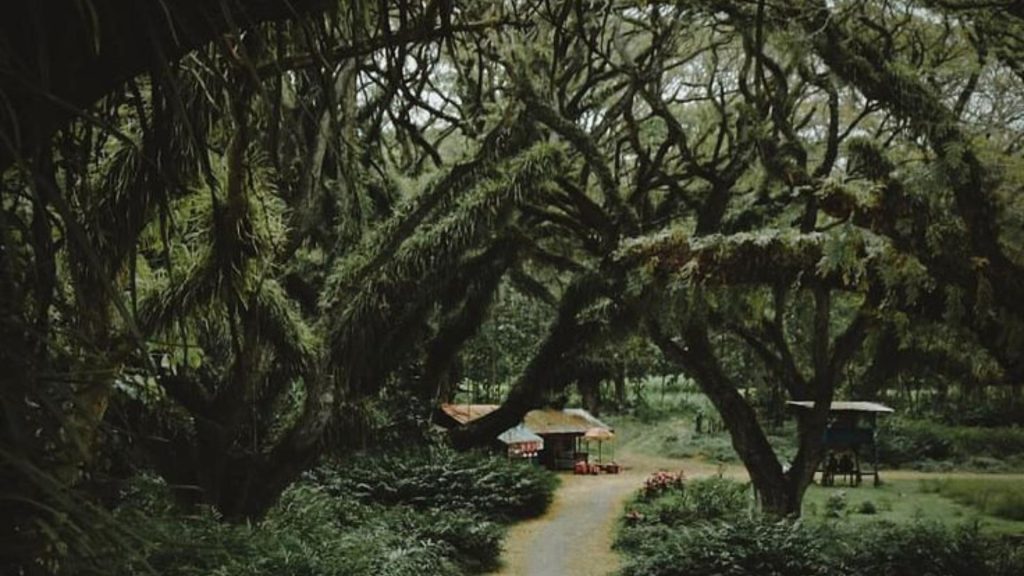
De Djawatan Forest

First, this forest is truly mystical. Specifically, it is filled with giant trembesi trees. These trees, in fact, look like scenes from a fantasy film. As a result, the forest is often compared to Fangorn Forest from The Lord of the Rings.

De Djawatan Forest
  • Take great photos here. The site is perfect for photoshoots.

  • You can also enjoy family walks.

  • The area is a nice spot for eco-friendly picnics.

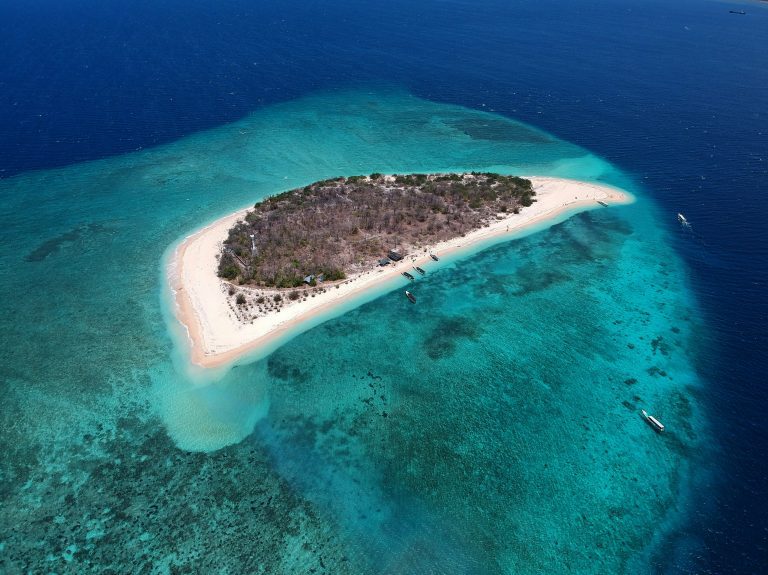
Tabuhan Island & Menjangan Island

  • Tabuhan and Menjangan are top marine spots. Specifically, they are located near Banyuwangi and West Bali National Park.

    For example, these islands boast crystal-clear water and vibrant coral. Additionally, they offer gentle waves and pristine beaches. Therefore, this combination makes them a paradise for divers, snorkelers, and beach lovers.

    Furthermore, the islands are close to each other in the Bali Strait. In fact, you can easily see both on a one-day trip from Banyuwangi.

Tabuhan Island

Popular Activities on Tabuhan Island

1. Snorkeling
  • The reefs are shallow and calm. Consequently, this is perfect for beginners and families. In addition, visibility is great—usually 15 to 30 meters.

2. Diving
  • Diving is less popular here than at Menjangan. However, the island still has clear water and colorful reefs.

3. Kitesurfing & Windsurfing
  • Tabuhan has a unique wind funnel effect. As a result, this creates strong, reliable winds. Therefore, it is now one of Southeast Asia’s best spots for wind-based watersports.

4. Underwater Photography
  • Bright sunlight hits the shallow coral. Thus, this makes the lighting perfect for all underwater photos.

5. Beach Relaxation
  • Since no one lives permanently on Tabuhan, you can enjoy peaceful beaches and picnic spots. Moreover, you also get stunning views of Bali and East Java.

How to Get to Banyuwangi

  • Banyuwangi is easy to reach in East Java.

  • There are many ways for travelers to get there.

  • You can come from Bali, Surabaya, Jakarta, or other major cities.

  • Getting to Banyuwangi is simple and convenient.

From Bali (Most Popular Route)

  • The Ketapang–Gilimanuk ferry is the best way to get to Banyuwangi.

  • It is the most common and easiest way to cross from Bali to Java.

Ferry from Gilimanuk to Ketapang

Key Facts 

First, the trip takes 30 to 45 minutes. Furthermore, the ferry runs all the time—24 hours a day, 7 days a week. Moreover, ferries leave often, about every 15 to 20 minutes. Finally, the cost is very cheap (Rp 7,000 to 10,000 per person).

Who Should Use This Route? 

Therefore, this route is perfect for many travelers. For instance, it suits those with:

  • Tour vehicles and private drivers.

  • People with car rentals.

  • Independent travelers.

  • In addition, Overlanders are coming from Bali.

Location 

Overall, the Ketapang ferry terminal is easy to reach. Specifically, it’s only 10 to 15 minutes from Banyuwangi City. Likewise, it’s about 45 minutes from the Ijen basecamp in Licin.

By Air

  • Banyuwangi has its own airport: Banyuwangi International Airport (BWX).

  • You can fly there fast and easily from major Indonesian cities.

Available Domestic Flights

Direct Flights 

Currently, direct flights are available from:

  • Jakarta (Soekarno-Hatta or Halim)

  • Surabaya (Juanda Airport)

Flight Time 

Specifically, the flight time from Jakarta is 1 hour and 45 minutes. Meanwhile, the flight time from Surabaya is 1 hour.

The Airport 

The airport is indeed modern and clean. Furthermore, it uses eco-architecture based on the local Osing culture. As a result, getting to the city takes only 30 minutes.

By Train

  • Taking the train to Banyuwangi is very scenic.

  • It is one of the best routes in East Java.

  • The journey passes rice fields, mountains, and rural areas.

Train Routes to Banyuwangi
Departures 

To begin, trains currently depart from these major cities:

  • Surabaya (Gubeng Station)

  • Malang

  • Finally, Jember

Arrival Stations 

In Banyuwangi, the two main stations are:

  • Banyuwangi Kota Station: Specifically, this station is in the city center.

  • Ketapang Station: Alternatively, this one is closest to the ferry port and Ijen access.

Why Choose the Train? 

Overall, train travel is comfortable, safe, and affordable. Furthermore, you can choose from economy, business, or executive class. In summary, it’s a great option.

Best Time to Visit Banyuwangi

General Timing

You can visit Banyuwangi all year round. However, the best time depends on what you want to do.

Dry Season (April–October) 

To clarify, this is the best time for outdoor activities:

  • Hiking Ijen.

  • Wildlife viewing in Baluran.

  • In addition, snorkeling, diving, and boating.

During this season, the weather is sunny and cool at night. Therefore, these are ideal conditions for adventures.

Wet Season (November–March) 

Despite the rain, Banyuwangi is still open during this time. Indeed, it only has occasional rain. As a result, the landscapes become greener and fresher, making them great for photography.

Best for Specific Spots 

For example, for Ijen Crater, visit from June to October. Ultimately, this gives you the clearest sky and the best sunrise. Conversely, for Baluran National Park, visit from July to September. After all, this is when wildlife is easiest to spot.

Where to Stay in Banyuwangi

  • Banyuwangi has excellent places to stay.

  • This includes everything from luxury resorts to local homestays.

Luxury Options

1. Dialoog Banyuwangi
  • This is a beachfront, minimalist resort.

  • It features infinity pools and sunset views.

  • Expect exceptional service.

  • It is ideal for luxury travelers.

2. Kokoon Hotel
  • The hotel is located right in Banyuwangi.

  • It offers spacious villas and great resort facilities.

  • This is perfect for families and couples.

Mid-Range Hotels

1. Ketapang Indah Hotel
  • This is a tropical seaside resort.

  • It has gardens and large pools.

  • You get direct ocean views.

  • It’s popular with both tour groups and families.

2. eL Hotel Banyuwangi
  • This is a modern hotel.

  • The rooms are comfortable.

  • It has a central location.

  • It offers excellent value for your money.

Local Food & Culinary Guide

  • The Osing tribe’s heritage shapes Banyuwangi’s food.

  • This food is known for its bold flavors.

  • It also uses traditional cooking styles.

Must-Try Local Dishes
    • Sego Tempong: Signature spicy rice dish with sambal tempong.

    • Rujak Soto: Unique mix of rujak (salad) and beef soup.

    • Pecel Rawon: A combination of rawon broth with peanut sauce.

    • Ayam Pedas Banyuwangi: Fiery chicken dish rich in spices.

    • Kopi Osing: Aromatic robusta coffee prepared traditionally.

    You can find these dishes at street stalls and local restaurants. They are also sold at traditional markets.

Travel Tips & What to Pack

  • Enjoy your trip to Banyuwangi!

  • You should pack these essential items:

Essentials
    • Comfortable trekking shoes.

    • Warm layers for Ijen (jacket, gloves).

    • Sunscreen, sunglasses, and a hat.

    • Optional snorkeling gear.

    • Camera plus extra batteries.

    • Power bank.

    • Cash (ATMs are rare in remote spots).

Conclusion

  • Banyuwangi is a diverse destination.

  • It has dramatic volcanoes and rich savannahs.

  • You’ll find pristine beaches and deep culture.

  • You can see Ijen’s blue flames.

  • Enjoy a wildlife safari in Baluran.

  • Visit the tranquil islands in the Bali Strait.

  • Banyuwangi offers unmatched diversity in East Java.

  • Indeed, Banyuwangi has something for everyone.

    For example, do you love trekking or photography? Or perhaps snorkeling or surfing? Furthermore, do you enjoy great food or culture? Ultimately, Banyuwangi gives every traveler an unforgettable experience.

FAQ

What is Banyuwangi famous for?

Banyuwangi is famous for Mount Ijen’s blue fire and turquoise crater lake, the savanna landscapes of Baluran National Park, and its beautiful beaches such as Pulau Merah and Boom Beach. It is known as the gateway to East Java’s natural wonders.

When is the best time to visit Ijen Crater in Banyuwangi?

The best time to visit Ijen Crater is during the dry season from April to October. The hike usually starts at night so visitors can witness the rare blue fire phenomenon and sunrise over the crater lake.

How difficult is the hike to Ijen Crater?

The hike to Ijen Crater is considered moderate. The trail is well-maintained and usually takes 1.5 to 2 hours to reach the crater rim, making it suitable for visitors with average fitness levels.

What can you see in Baluran National Park?

In Baluran National Park, visitors can explore wide savannas, mangrove forests, and coastal areas, and spot wildlife such as deer, buffalo, monkeys, and various bird species.

Are Banyuwangi beaches good for swimming and relaxing?

Yes, Banyuwangi beaches offer great spots for swimming, relaxing, photography, and sunset views. Popular beaches include Pulau Merah Beach, Boom Beach, and Watu Dodol.

How many days are enough to explore Banyuwangi?

A 3 to 5-day trip is ideal to explore Banyuwangi highlights, including Ijen Crater, Baluran National Park, waterfalls, and the region’s beautiful beaches.

Is Banyuwangi suitable for family travel?

Yes, Banyuwangi is suitable for families, couples, and small groups. Many destinations are easy to access, and activities can be adjusted to different ages and fitness levels.

Do I need a guide to visit Ijen and Baluran?

While independent travel is possible, hiring a local guide is highly recommended for safety, better experience, and local insights, especially for Ijen Crater night hikes.

Share

Banyuwangi Travel Guide: Ijen Crater, Baluran & Beaches