
This 7-day eco-education program in Bali is designed for schools, universities, and organizations seeking structured, real-world learning experiences focused on sustainability, culture, and community impact.
Explore more meaningful journeys through our Indonesia eco tour packages, designed to combine education, culture, and sustainability.
To start, imagine waking up in a Balinese village. The morning air smells like flowers. You can hear birds singing.
More importantly, we will fill your days with real, meaningful experiences, not just beautiful views. For example, you will learn about farming from local people. You will make eco-friendly crafts. Additionally, you will have the opportunity to join projects that make a tangible difference.
To start, this 7-day program is more than a trip. Instead, it is a journey of personal change.
This program connects travelers, students, and curious people. They learn about Balinese culture, green practices, and nature-based lessons.
By the end of the week, you will take home more than just memories. You will gain new skills, awareness, and inspiration. This will help you live a more sustainable life.
Discover the heart of Bali. This trip offers experiences that go beyond simple sightseeing.
Culture and Projects
Learn from Balinese traditions. Local communities will share their deep connection to nature and spirit.
You will also join hands-on projects. These range from organic farming to managing waste. They create a real environmental impact.
Explore real village life. See how balance (Tri Hita Karana) shapes their daily living.
The Outcome
This program is more than tourism. Education, culture, and nature come together. They inspire awareness and lasting change.
You can also explore our Lombok & Gili Islands tour for a more relaxed island experience.
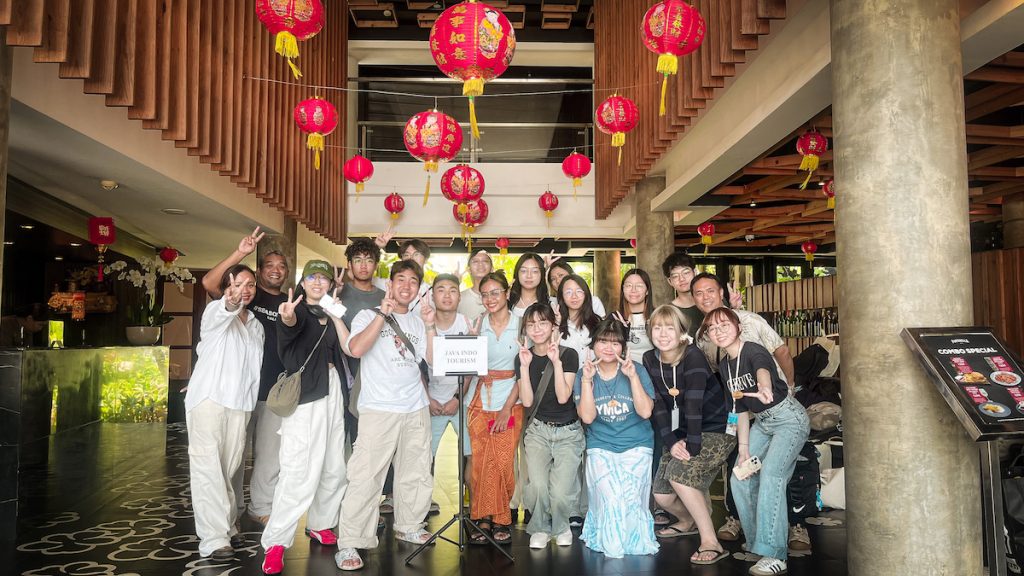
To start your trip, upon arrival at Denpasar Airport (DPS), meet your local guide. Immediately following this, you will then transfer to your hotel in Kuta. By the way, Kuta is in fact a lively coastal city.
Evening Activities
Following your arrival and after checking in and relaxing, gather for a welcome dinner. Indeed, this important meal, which will feature traditional Balinese food, is also your first chance to meet the group.
During dinner, however, the guide will hold a program briefing. Specifically, the main goal is to talk about the upcoming experiences as well as the learning objectives. Furthermore, they will also set expectations for the journey.
Logistics Summary
In short, therefore, your accommodation is at a hotel in Kuta (or similar). Finally, keep in mind that dinner is indeed the only meal included today.
To start the morning, visit Taman Ayun Temple. Note that this 17th-century royal temple has peaceful gardens and lotus-filled moats. Through this visit, the site will introduce students to Balinese Hindu architecture as well as the island’s spiritual harmony.
Sustainability Learning
Following the temple visit, go to Rumah Intaran. This center is an award-winning center that promotes traditional Balinese wisdom and sustainability. While at the center, students will join hands-on learning and discussions. Specifically, they will focus on eco-conscious living based on Balinese philosophy (Tri Hita Karana).
After the session, return to your hotel in the afternoon. You can either rest or hold a group reflection.
To summarize the learning:
Regarding logistics, we include accommodation at a hotel in Kuta and cover Breakfast and Lunch as your meals.
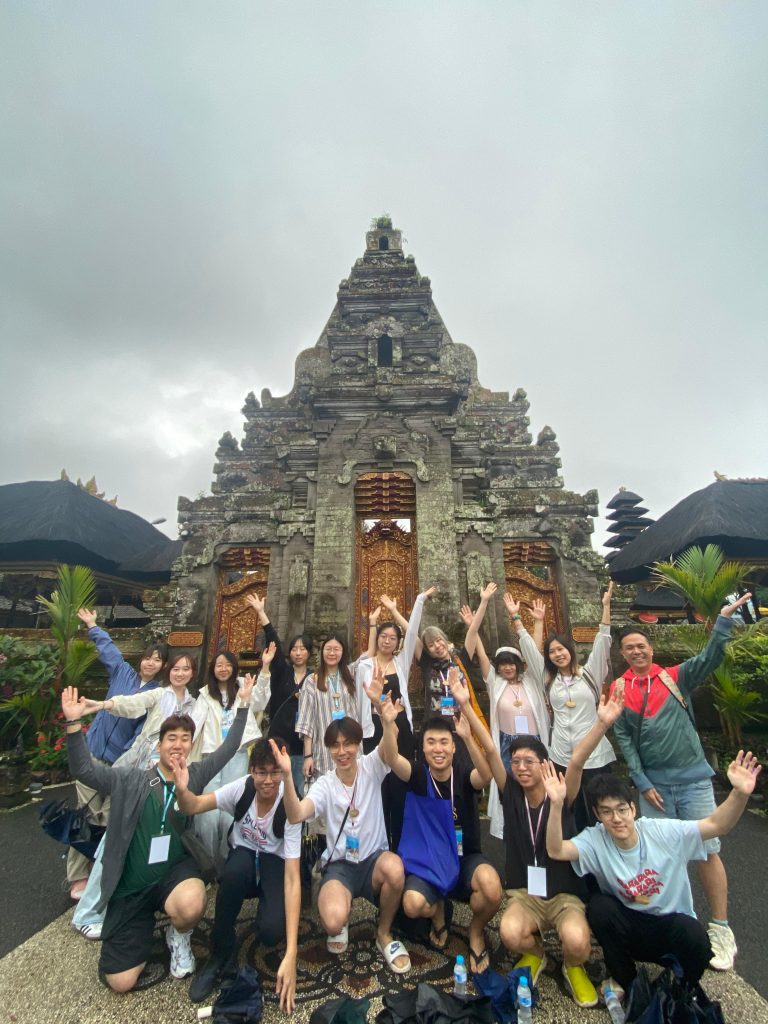
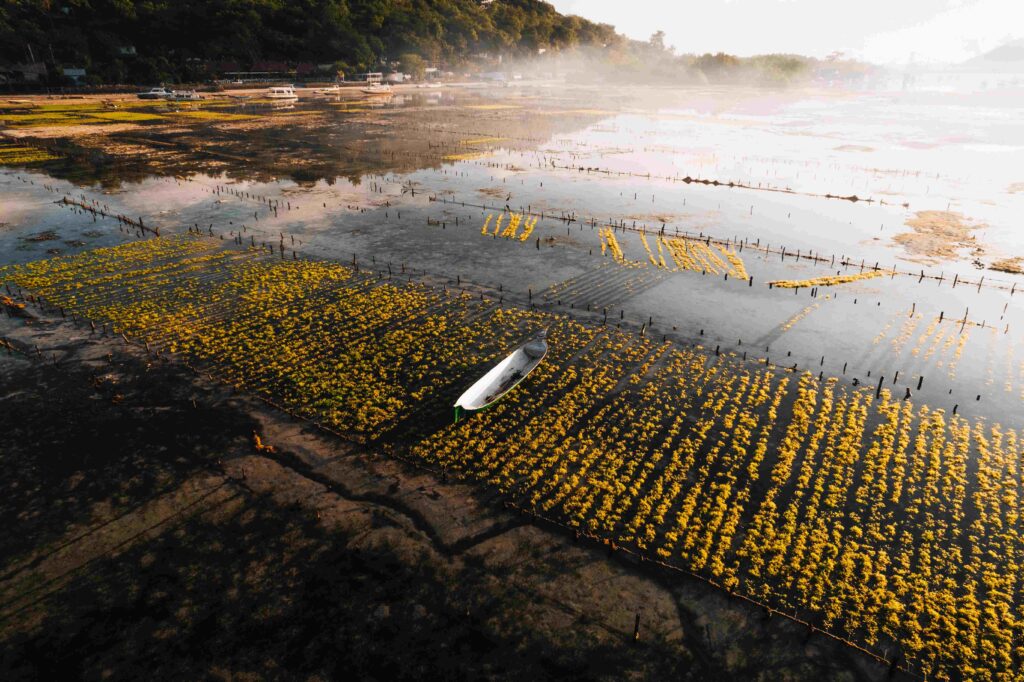
To start the day, take an early fast boat from Sanur to Nusa Penida. Keep in mind that people know this island for its clean water and strong seaweed farming.
Seaweed Farming
Upon arrival, travel to Semaya Village. Here, students will work directly with local seaweed farmers. You will first learn about the seaweed life cycle and its role in the ocean environment. Then, you will also help the farmers harvest, replant, and dry seaweed on the beach. In addition, see how this farming helps local jobs and keeps the sea healthy.
Product Development
Following the farming work, you will learn about natural cosmetics. You will also study new packaging and eco-friendly product development. Afterwards, discuss how small local businesses help the coastal economy.
Return
Finally, return to Bali in the late afternoon by boat, and then transfer to your hotel
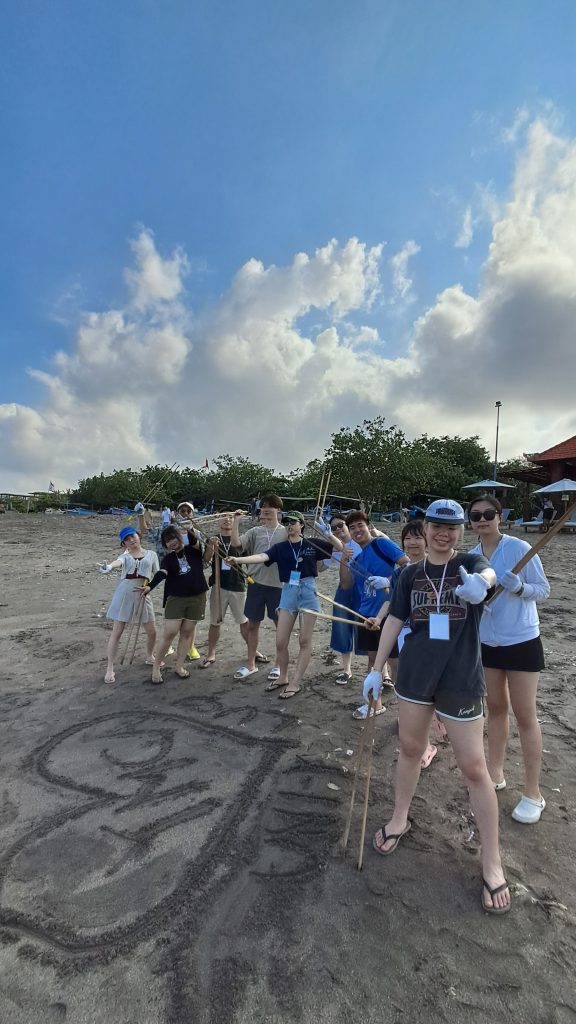
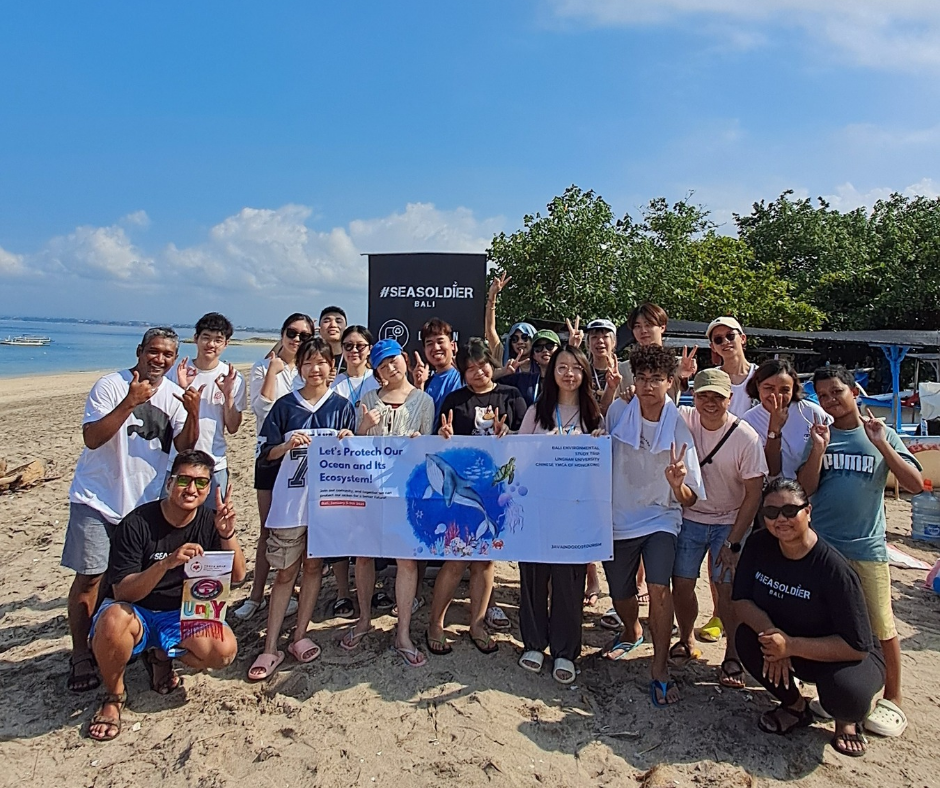
To start the day, hold a hands-on beach clean-up. As you prepare, keep in mind that this happens in a Bali coastal area (such as Sanur, Jimbaran, or Serangan). Local educators, in turn, will lead the work. Through this project, students will learn about plastic pollution and then join important ocean conservation work.
Clean-up Activities
The activities include: First, a briefing on marine life and ocean pollution. Next, join the clean-up and sort the trash for recycling. Following that step, get a hands-on introduction to managing waste. Furthermore, join a trash art competition to turn the trash into creative art. Last of all, hold a group discussion on responsible tourism.
Recycling & Goals
After the beach activities, visit a local recycling center. There, you will see upcycling in action.
In short, the Learning Goals are: To begin, promote ocean awareness; Secondly, develop skills in creative recycling and innovation; And finally, to encourage teamwork, leadership, and responsibility.
Regarding logistics, we provide accommodation at a hotel in Kuta and include Breakfast and Lunch as your meals.
To start your morning, go to the Eco Park in Nusa Dua. Note that you will join workshops there. These workshops, in turn, we designed to teach you about sustainable living. During this time, you will rotate through hands-on sessions.
Morning Activities
The activities include: First, composting to reduce waste. Next, planting seeds to increase biodiversity. And finally, planting trees to help with reforestation.
Mangrove Conservation
Following the morning session, visit the mangrove forest in Tuban in the afternoon. Here, you will work with the local fishing community. While there, you will do the following: To begin, learn about mangrove breeding and how to fix the forests. Additionally, join a clean-up so you can remove trash from the ecosystem. Then, help by planting new mangrove saplings.
Evening Conclusion
To finish the day, take a peaceful canoe tour through the mangroves. During the tour, you can watch wildlife and think about how mangroves help the coast and also fight climate change.
Learning Goals Summary
In short, the Learning Goals are: To start, understand climate action and carbon sinks. Secondly, gain practical knowledge of waste management. And finally, experience meaningful community work.
Regarding logistics, we provide accommodation at a hotel in Nusa Dua or nearby and include Breakfast and Lunch as your meals.
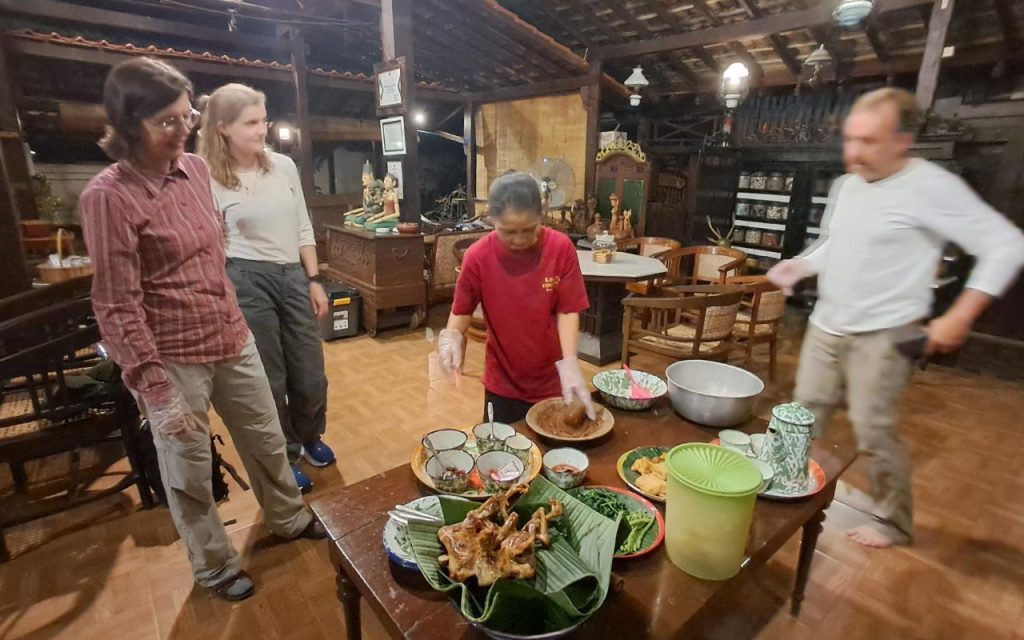
To start the morning, take a Balinese cooking class. Note that the class uses fresh food straight from an organic garden.
Cooking and Crafting
During the class, learn to identify local herbs and spices. Following this, pick your own vegetables. This action helps you prepare traditional dishes with local chefs. Ultimately, this experience connects students with sustainable food as well as cultural heritage.
After the meal, express your creativity in a silver jewelry workshop. Specifically, skilled artisans in Celuk village will guide you. Since Celuk is famous for its silver craft, as a result, you will design and create your own jewelry piece. You can also take it home as a meaningful souvenir.
Learning Goals & Logistics
Learning Goals
Logistics
Regarding logistics, accommodation is at a hotel in Ubud or nearby.
To start your final day, spend the morning at the Ubud Traditional Market. There, students can explore colorful stalls. Vendors fill these stalls with souvenirs, textiles, and local snacks. This visit is a perfect time to reflect on your trip. In addition, you’ll also have a chance to support local artisans with mindful purchases.
Farewell & Logistics
Following the market visit, transfer to Ngurah Rai International Airport for your flight home.
Thank you for being part of this meaningful week in Bali.
We hope the experiences, connections, and lessons you gained will inspire positive change in your community. They should also inspire change in other places.
Finally, we wish you safe travels. We’re eagerly looking forward to seeing you on your next journey of impact! Meals Included: Breakfast.
The best time to join this eco-education program in Bali is during the dry season, from May to October. During these months, the weather is generally sunny with lower humidity, making outdoor activities such as farming, beach clean-ups, and cultural exploration more comfortable.
The rainy season (November to March) can still be a good option, especially for educational groups focusing on sustainability. In fact, this period offers valuable insights into environmental challenges such as waste management and water conservation. Before visit to Indonesia you can check Best time to visit Indonesia
This Bali Eco Program stands out. It offers hands-on learning and real community work.
Unlike regular tours, this program connects you directly with local people. It connects you with traditional wisdom and important environmental projects.
Because of this, you will learn valuable things about sustainable living. At the same time, you will support Bali’s eco-friendly communities.
In short, this is more than just travel. It is a purposeful experience that makes a difference.
To start the program, learn outside the classroom. Specifically, you will work directly with Balinese communities.
Activities & Impact
For example, take part in organic farming. You can also join waste management workshops. Furthermore, help with local conservation as the villagers guide you.
Ultimately, this approach helps everyone. It does this by encouraging cultural exchange and mutual understanding. It also empowers the residents.
Learn more about our sustainable tourism approach in Indonesia and how we support local communities.
Overall, this eco program aims to raise awareness. It also works to promote responsible behavior.
To do this, students and participants learn many things. They learn about biodiversity and waste reduction. They also learn how daily choices affect the planet.
Specifically, you can join different projects. Join reforestation, beach cleanups, or water conservation. By joining, you help protect Bali’s environment. You also learn how to practice sustainable habits anywhere.
The Bali Eco Program mixes learning, culture, and adventure.
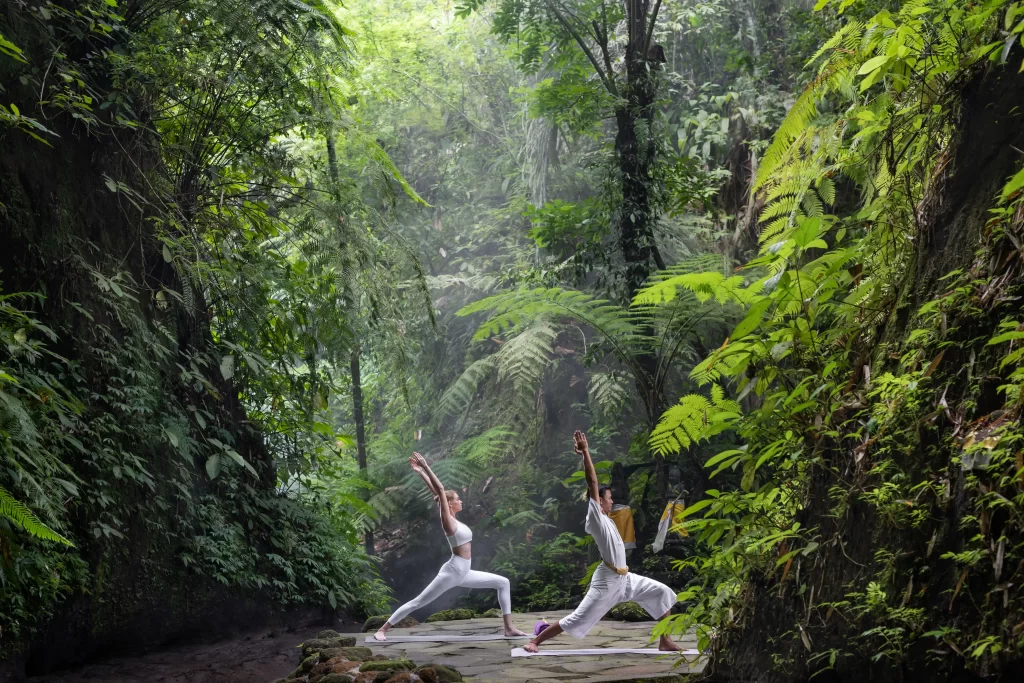
You will explore temples, villages, and amazing nature. At the same time, you will take part in fun, hands-on talks about sustainable living.
Every activity teaches a helpful lesson. This includes planting trees, joining a Balinese ceremony, or eating local food. These lessons teach you about harmony and respect for nature.
This eco program is a great choice for students. It is perfect for schools looking for hands-on learning. The focus is on sustainability and culture.
Learning & Impact
Through fieldwork, workshops, and activities, students learn many things. They discover how caring for the environment connects to local traditions.
In addition, the program helps with teamwork, cultural exchange, and global awareness. It turns lessons into real-world experience. This inspires both responsibility and creativity.
If you love exploring nature and caring for the planet, this trip is perfect for you.
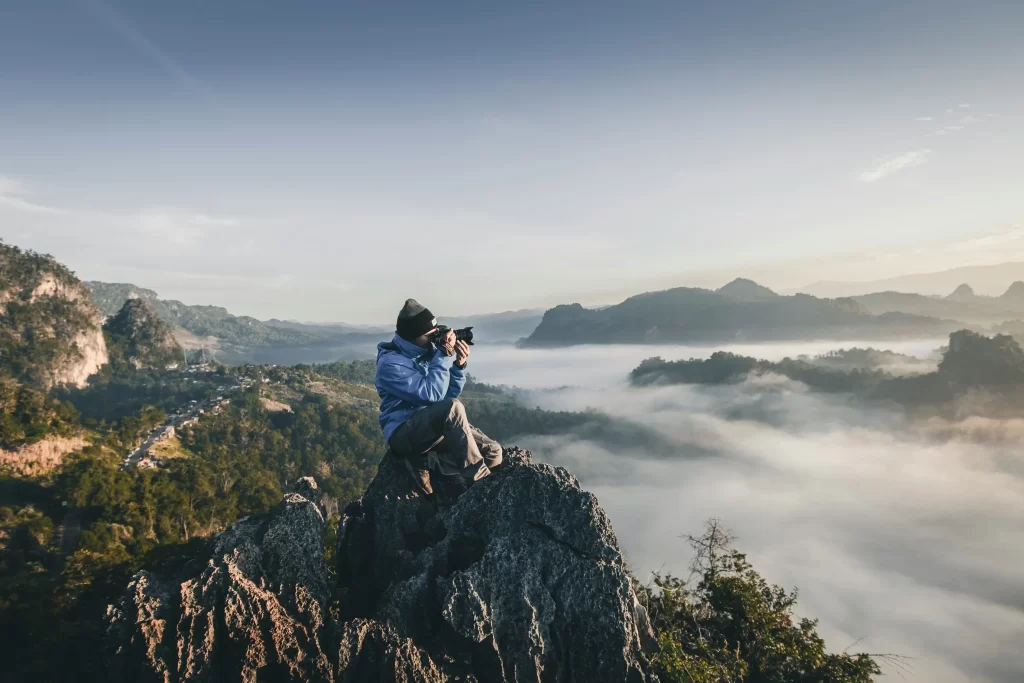
Participants can enjoy amazing scenery. This ranges from rice terraces to coral reefs. At the same time, they will support eco-friendly practices.
Also, we plan every activity to create minimal harm. It aims to promote responsible tourism. You will travel light, think green, and leave a positive mark wherever you go.
This program is great for companies that focus on Corporate Social Responsibility (CSR). It offers a clear and measurable impact.
Benefits & Impact
Participants join local projects. Examples include waste management, education, or planting trees.
Because of this, your team learns more about social and environmental issues. It also builds team spirit and empathy. This experience helps businesses help the planet in a meaningful way.
To make the most of your eco-education experience in Bali, proper preparation is essential. First, pack lightweight and breathable clothing suitable for tropical weather. However, bring a light rain jacket, especially if you travel during the rainy season.
Additionally, comfortable walking or trekking shoes are highly recommended, as many activities take place outdoors in villages, farms, and coastal areas. Don’t forget essentials such as sunscreen, insect repellent, and a reusable water bottle to support sustainable travel practices.
It is also important to respect local culture. When visiting temples or traditional villages, wear modest clothing and follow your guide’s instructions. This ensures a meaningful and respectful cultural exchange.
Finally, keep an open mind. This program is not just about sightseeing—it is about learning, engaging, and making a real impact in local communities.
For a deeper understanding of Bali’s cultural heritage, you can visit the UNESCO World Heritage sites.
You can also explore global sustainability initiatives through the UN Environment Programme (UNEP), and check travel updates on the official Indonesia tourism website.
Looking for a customized program? Contact our team to design your own eco-education journey in Bali.
An eco-education program in Bali is a learning-based travel experience that combines sustainability, culture, and hands-on activities. Participants engage in real-world environmental projects such as organic farming, waste management, and community-based learning.
This program is ideal for students, schools, universities, corporate groups, and eco-conscious travelers. It is especially suitable for educational groups looking for experiential learning and sustainability-focused travel.
Activities include cultural immersion, temple visits, organic farming, beach clean-ups, mangrove conservation, sustainability workshops, and interaction with local communities. Each activity is designed to provide both education and real impact.
The best time is during the dry season from May to October when the weather is sunny and ideal for outdoor activities. However, the rainy season also offers valuable learning opportunities related to environmental sustainability.
No prior experience is required. The program is designed for beginners and guided by local experts, making it accessible for all participants.
Yes, this program is specifically designed for educational groups. It includes structured learning outcomes, interactive sessions, and meaningful field experiences aligned with sustainability and global education goals.
This program directly supports local communities by involving local guides, artisans, and farmers. It also contributes to environmental conservation projects and promotes responsible tourism practices.
Participants should bring lightweight clothing, comfortable walking shoes, sunscreen, insect repellent, and a reusable water bottle. A positive attitude and willingness to learn are equally important.
Yes, the program can be tailored based on group size, interests, duration, and educational objectives. Custom programs are available for schools, universities, and corporate groups.
You can contact our team through the contact form on this page or via our website to design a personalized eco-education program in Bali.
You can explore more programs on our Indonesia eco tour packages.
EXPLORE . EXPERIENCE . DISCOVER INDONESIA
Javaindo Ecotourism is a local Indonesia tour operator and Destination Management Company (DMC), creating private and tailor-made journeys across Java, Bali and beyond. Our local destination experts combine in-depth knowledge, trusted local connections and on-the-ground support to design authentic Indonesia travel experiences around your interests, pace and travel style.
16+ years of destination knowledge
Private journeys designed around you
Local team from arrival to departure

AUTHENTIC JOURNEYS A BRIGHTER TOMORROW

EXPLORE THE REAL
Private and customized journeys across Indonesia’s most beautiful destinations with authentic experiences and responsible travel.