
Java is one of Indonesia’s most diverse islands for travelers who want more than conventional sightseeing. From volcanic landscapes and hidden waterfalls to traditional villages, wildlife habitats, highland scenery, and underground caves, Java offers remarkable opportunities to experience nature while connecting with local communities.
For travelers interested in eco adventures in Java, the island provides an excellent combination of outdoor exploration, cultural experiences, and responsible tourism. Many of these experiences can also be arranged as private, tailor-made journeys, allowing travelers to explore at a comfortable pace while supporting local guides, drivers, communities, and small businesses.
Here are seven unforgettable eco adventures in Java that combine spectacular landscapes with meaningful travel experiences.
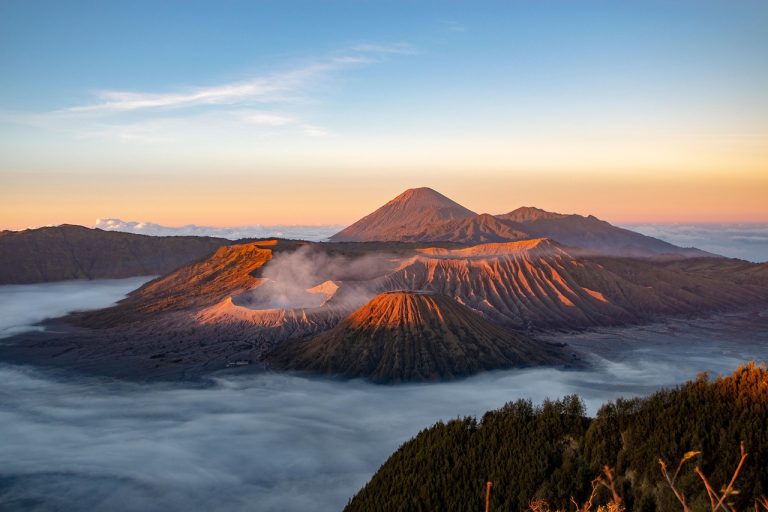
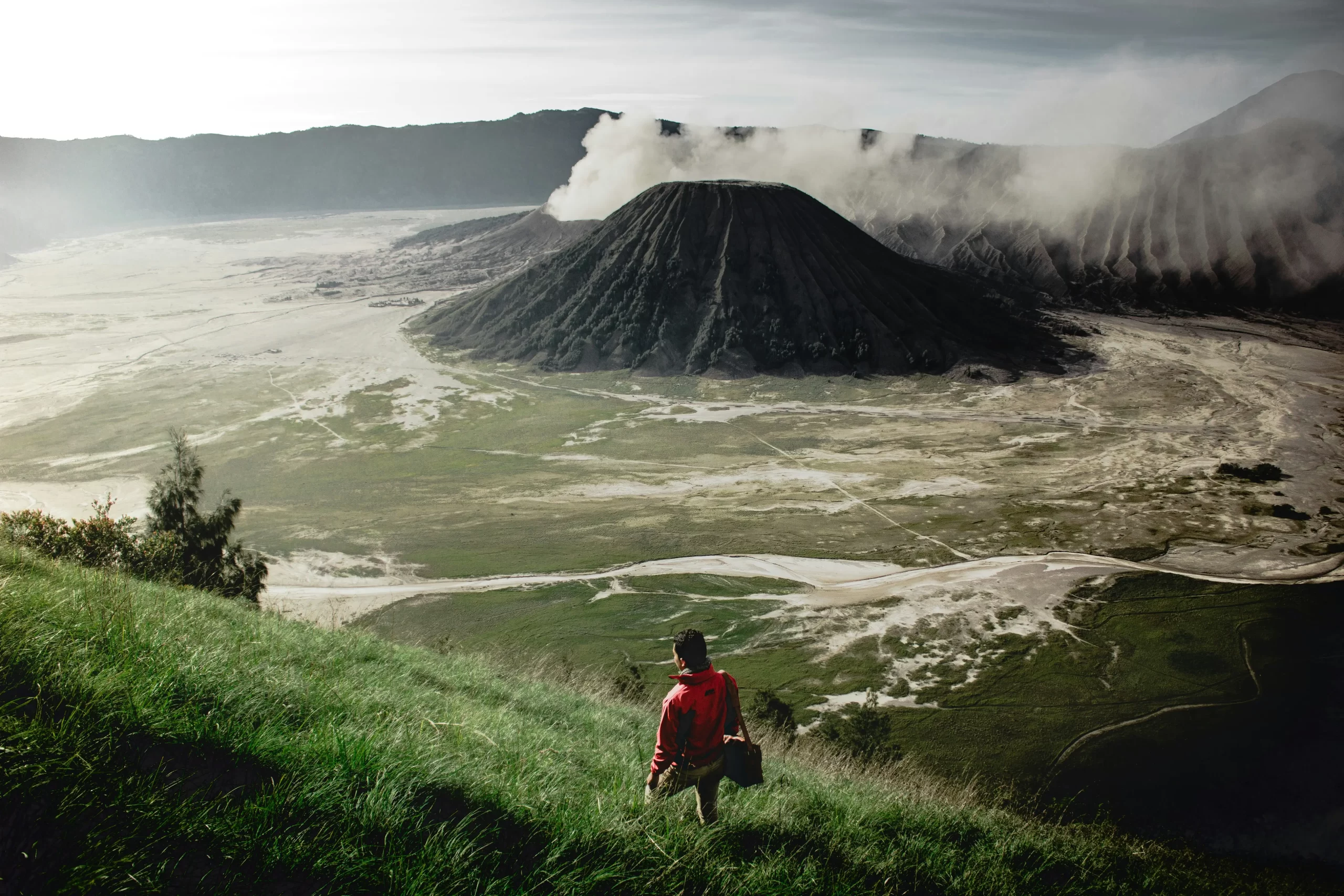
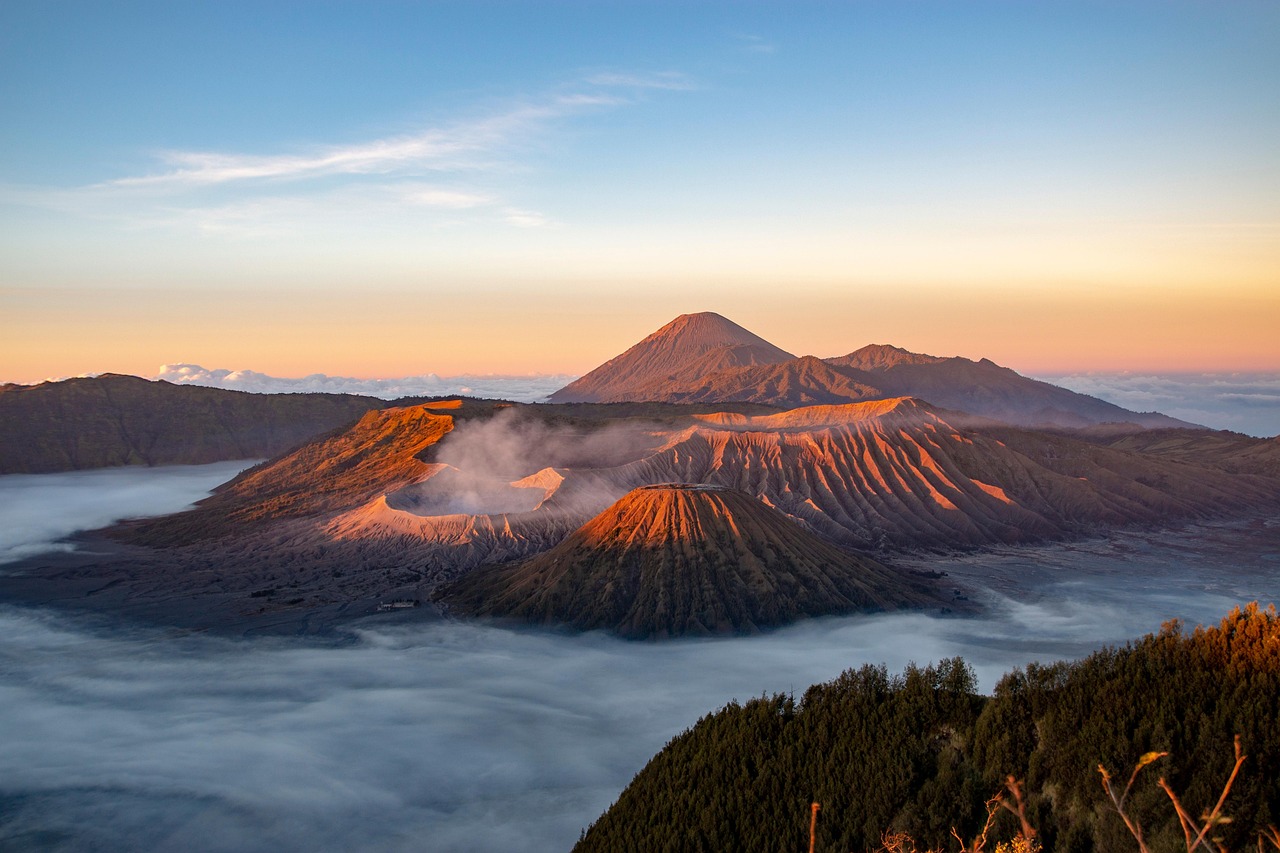
Mount Bromo is one of the most iconic volcanic landscapes in East Java and one of the best places to experience an unforgettable sunrise adventure.
The journey usually begins in the early morning, when travelers leave their accommodation in the Bromo area and continue by local 4WD jeep toward the sunrise viewpoint. As darkness gradually gives way to the first light of day, the surrounding volcanic landscape begins to appear.
From the viewpoint, travelers can see Mount Bromo rising from the Sea of Sand, with Mount Semeru often visible in the distance when weather conditions are favorable.
After sunrise, the adventure continues into the Bromo caldera. Crossing the volcanic sand by jeep and continuing toward the crater creates a completely different experience from simply visiting a viewpoint.
For travelers interested in nature photography, Bromo offers particularly dramatic conditions around sunrise, with changing light, volcanic scenery, mist, and expansive mountain landscapes.
For a dedicated Bromo sunrise tour, travelers can combine the sunrise experience with other East Java destinations such as Madakaripura Waterfall, Tumpak Sewu, or Mount Ijen.
Eco-travel consideration: Visitors should remain on designated paths, avoid leaving waste in the volcanic area, and respect local regulations and the communities providing jeep and guiding services.
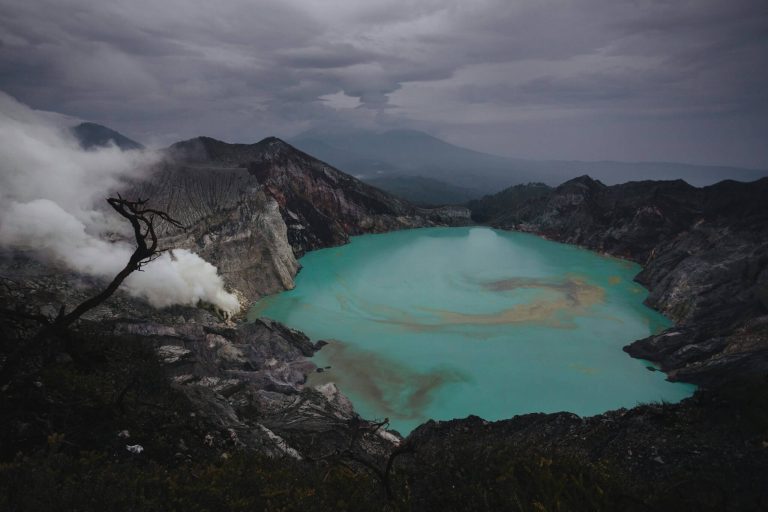
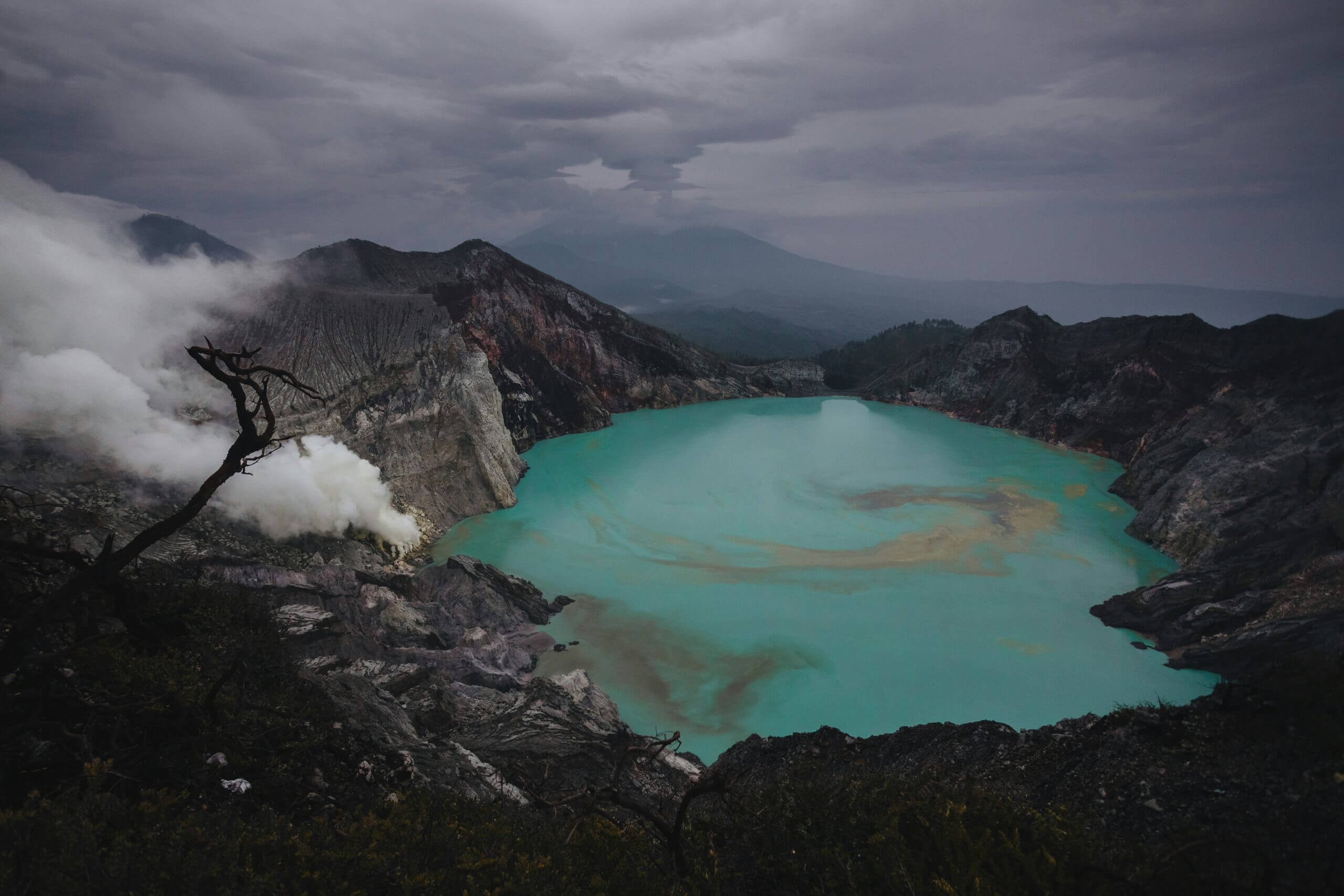
Mount Ijen is another extraordinary volcanic destination in East Java and is particularly famous for its rare blue fire phenomenon.
The blue flames are created by sulfur gases that ignite as they emerge from cracks in the volcanic area. Because the phenomenon is best observed in darkness, the trek traditionally begins during the night or very early morning.
The experience is demanding and requires appropriate preparation. Travelers should follow local regulations and instructions from guides because conditions around volcanic sulfur areas can change rapidly.
After reaching the crater area, travelers may witness the dramatic landscape of Mount Ijen, including its turquoise acidic crater lake and surrounding volcanic terrain when visibility and conditions permit.
The journey also provides an opportunity to understand the working environment of local sulfur miners. Rather than viewing the area simply as an attraction, responsible travelers can appreciate the difficult work and cultural context behind the destination.
If Javaindo Ecotourism has a dedicated Ijen destination page, Ijen Blue Fire tour to that page. If there is not yet a dedicated page, it is better to create one rather than permanently linking the Ijen section to the Bromo URL.
Important: Blue fire visibility is dependent on volcanic conditions, weather, safety restrictions, and access regulations. It should never be presented as guaranteed.
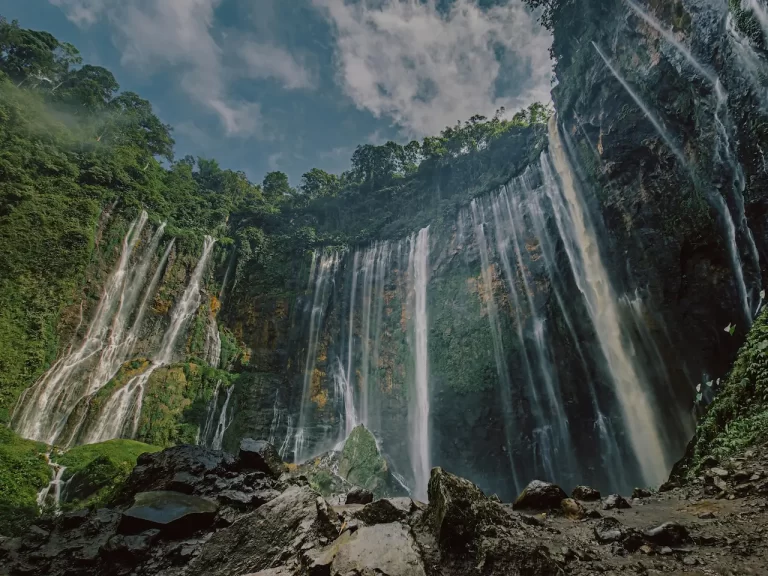
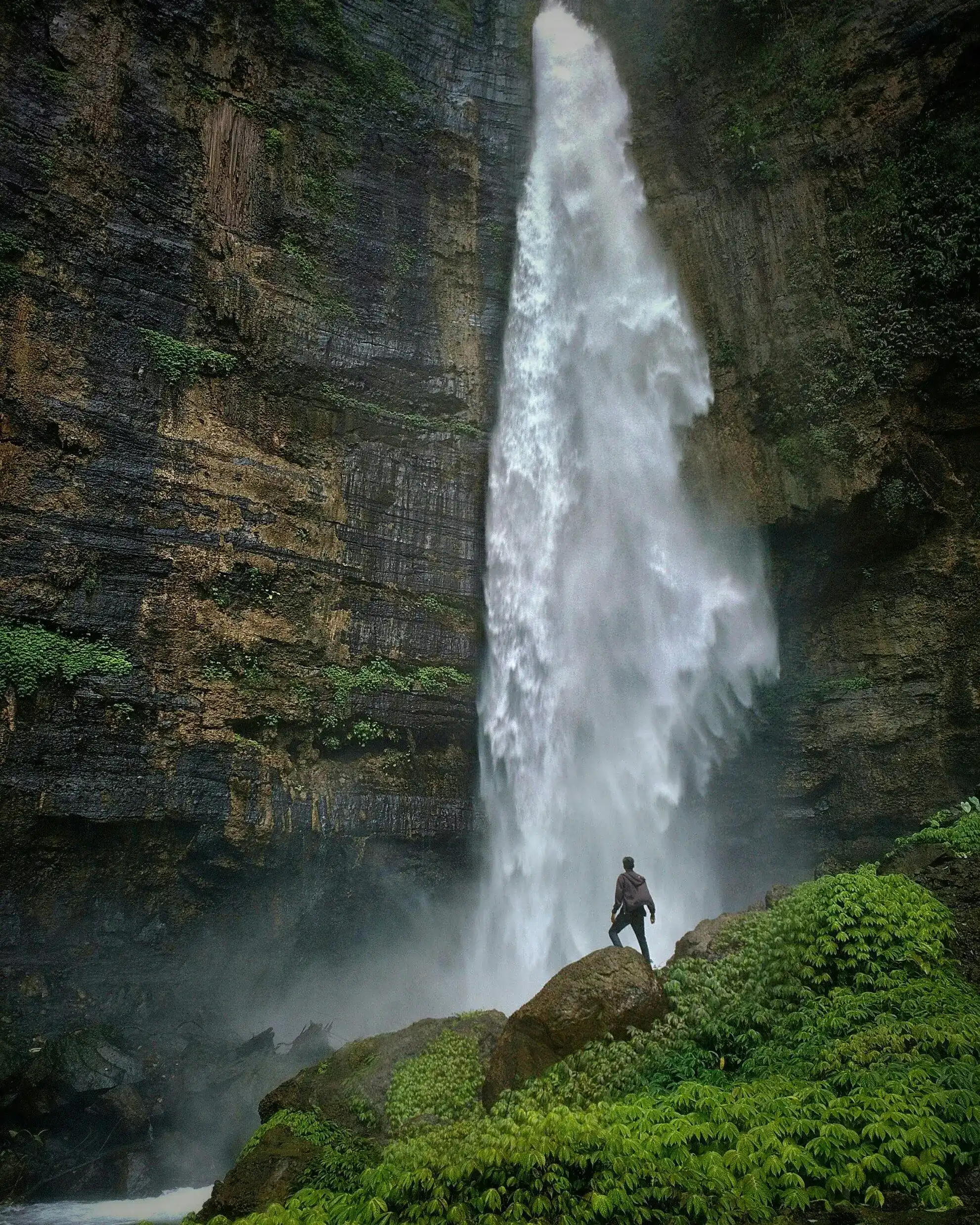
Tumpak Sewu is one of East Java’s most spectacular waterfalls and is an excellent destination for travelers looking for a more active nature experience.
Located near the border of Lumajang and Malang, Tumpak Sewu is surrounded by dramatic cliffs, dense vegetation, and volcanic landscapes.
The viewpoint provides an impressive perspective of the waterfall, where numerous streams descend together into the valley below. Travelers who want a more adventurous experience can continue down toward the lower area, although the descent can be steep and physically demanding.
The combination of forest, cliffs, water, and volcanic scenery makes Tumpak Sewu particularly attractive for photographers and adventure travelers.
Because the environment is sensitive, visitors should take care when hiking and avoid damaging vegetation or leaving rubbish along the trail.
A responsible visit should also consider local communities who provide guiding, parking, transportation, and other services around the destination.
For travelers combining East Java’s natural attractions, Tumpak Sewu can be incorporated into a private route connecting Malang, Bromo, Ijen, and Banyuwangi.
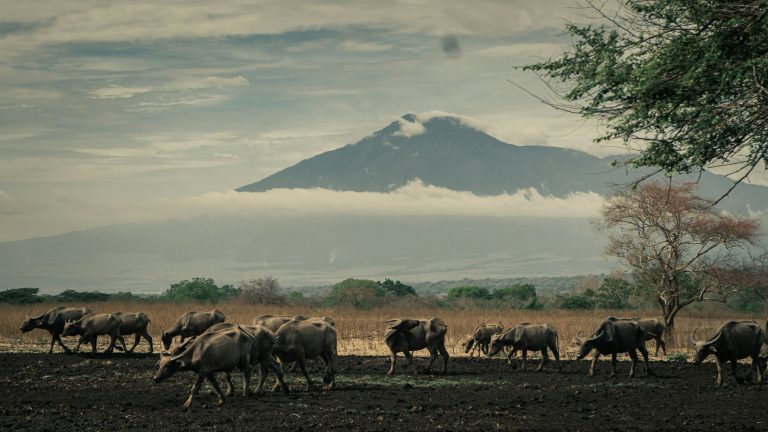
Baluran National Park offers a completely different perspective on Java’s natural environment.
Located in East Java, the park is known for its savanna landscapes, forests, coastal ecosystems, and wildlife. Its open grasslands are often compared visually to an African savanna, particularly during the dry season.
Travelers may encounter animals such as deer, wild buffalo, monkeys, and numerous bird species depending on the season and location.
The park is especially interesting for travelers who want to combine wildlife observation with landscape photography.
Rather than treating a national park as a conventional sightseeing stop, visitors should approach wildlife experiences with patience and respect. Animals should never be fed, chased, or disturbed for photographs.
Travelers should also follow park regulations and remain aware that wildlife sightings are never guaranteed.
Baluran can be particularly effective as part of a broader East Java itinerary, especially for travelers continuing toward Banyuwangi and Mount Ijen.
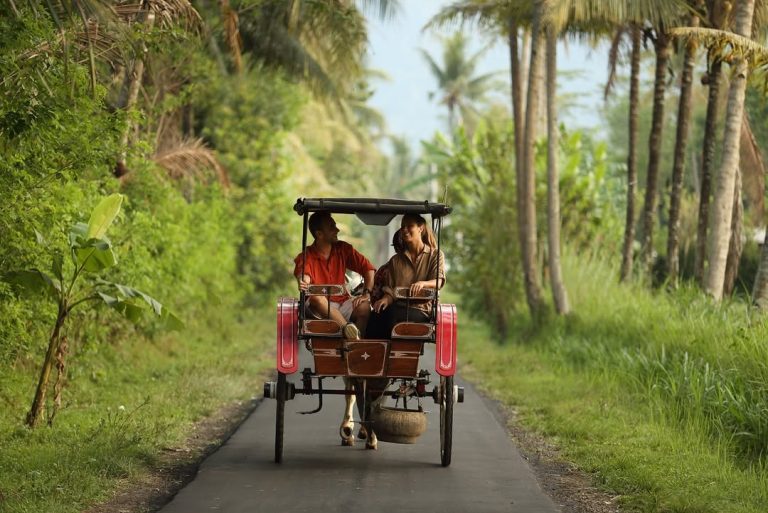
Eco adventure in Java does not always mean climbing mountains or exploring remote landscapes.
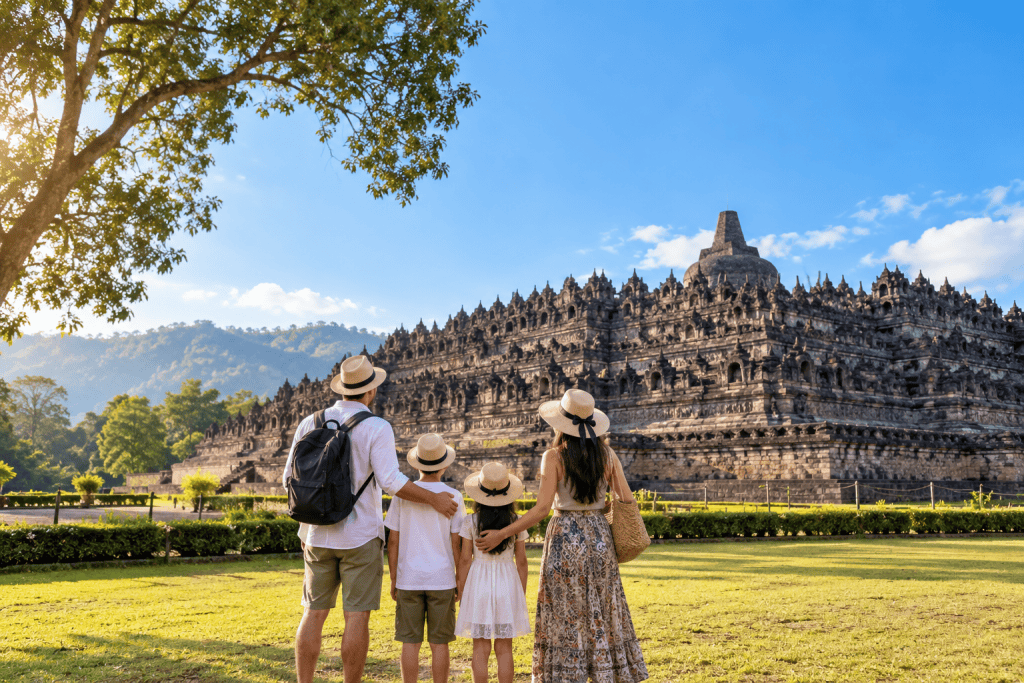
Around Borobudur, travelers can experience another form of responsible tourism through village-based cultural experiences.
The rural communities surrounding Borobudur offer opportunities to discover traditional agriculture, local crafts, village landscapes, culinary traditions, and everyday life.
Instead of spending the entire visit inside the temple complex, travelers can use their time in the region to understand the cultural landscape that surrounds Borobudur.
A village experience might include walking or cycling through rural areas, visiting local producers, learning about traditional farming, or interacting with community members.
This type of tourism can create a more meaningful connection between visitors and local residents while directing tourism spending toward smaller businesses and community-based activities.
Borobudur itself is a UNESCO World Heritage Site and should be experienced with respect for its cultural, historical, and spiritual significance.
For travelers interested in combining nature, culture, and heritage, our Yogyakarta cultural heritage tours can be incorporated into a wider Java itinerary.
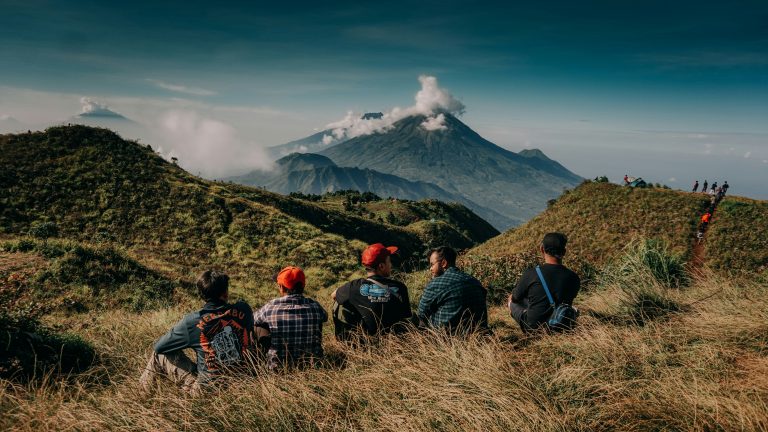
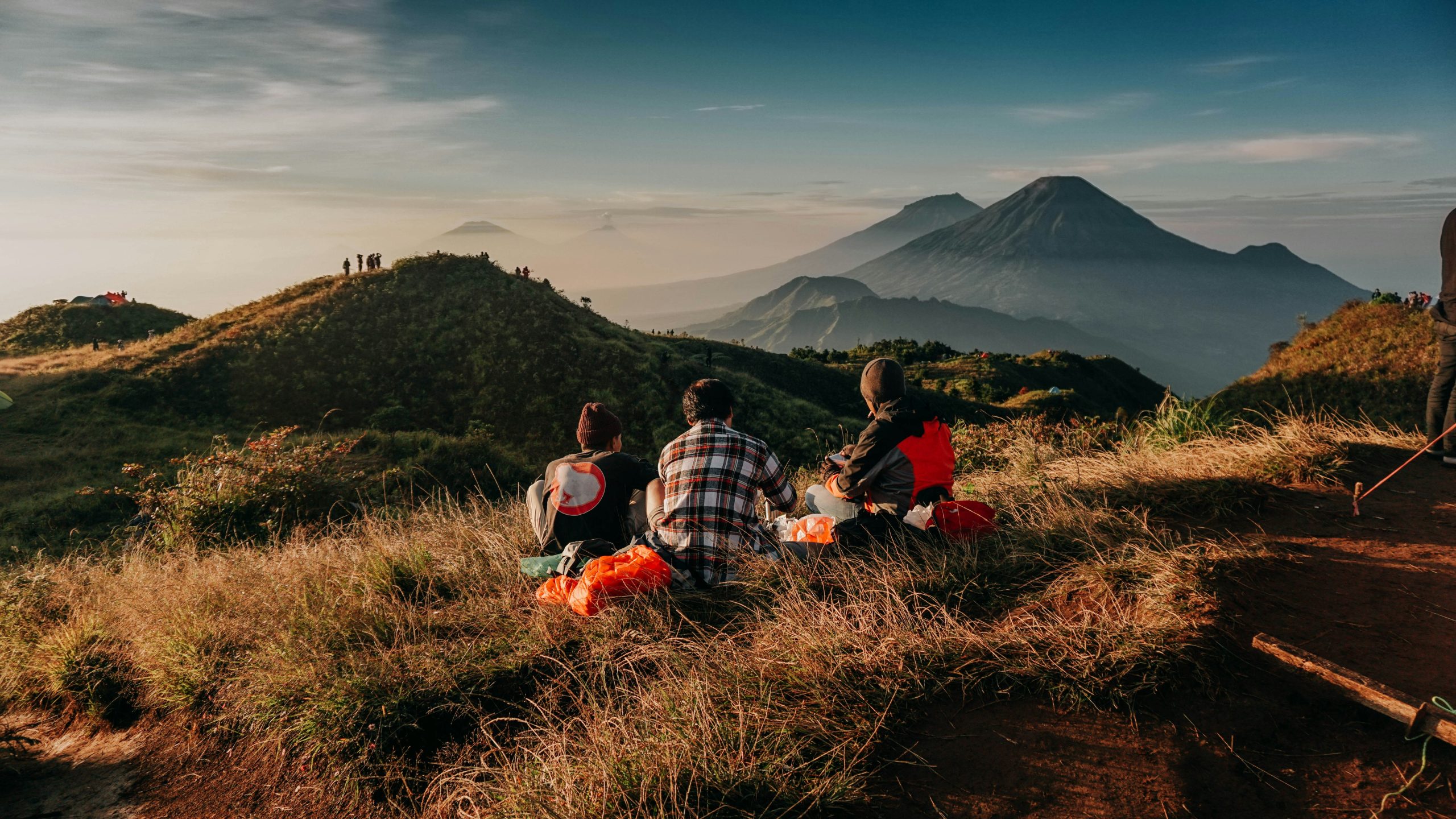
Dieng Plateau in Central Java offers a combination of volcanic landscapes, highland villages, agricultural scenery, temples, and unique geological features.
Located at high elevation, Dieng has a cooler climate than many other destinations in Java, making it attractive for travelers looking for a highland escape.
One of the most memorable experiences is exploring the landscape around sunrise. Mountains, volcanic terrain, agricultural fields, and morning mist can create impressive conditions for photography.
Dieng is also known for its volcanic activity, including geothermal features and colorful volcanic lakes.
Beyond its natural attractions, the region provides an opportunity to understand highland agriculture and local community life.
Travelers should remain on established paths, avoid damaging crops, and respect private agricultural land when exploring rural areas.
For visitors interested in combining Dieng with Yogyakarta’s cultural attractions, the region can be incorporated into a longer private Java itinerary.
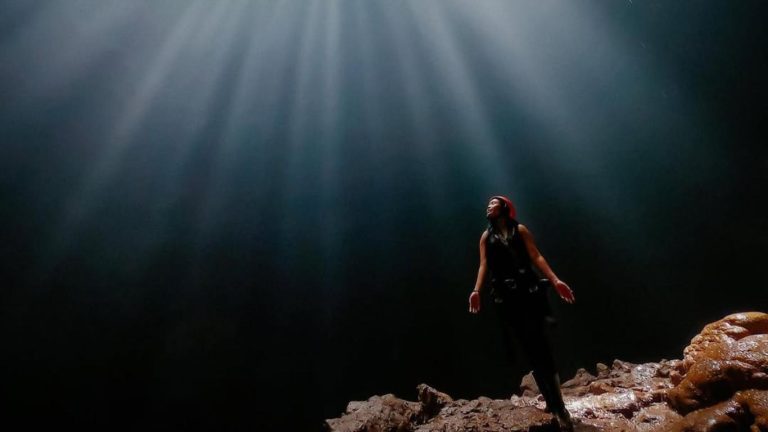
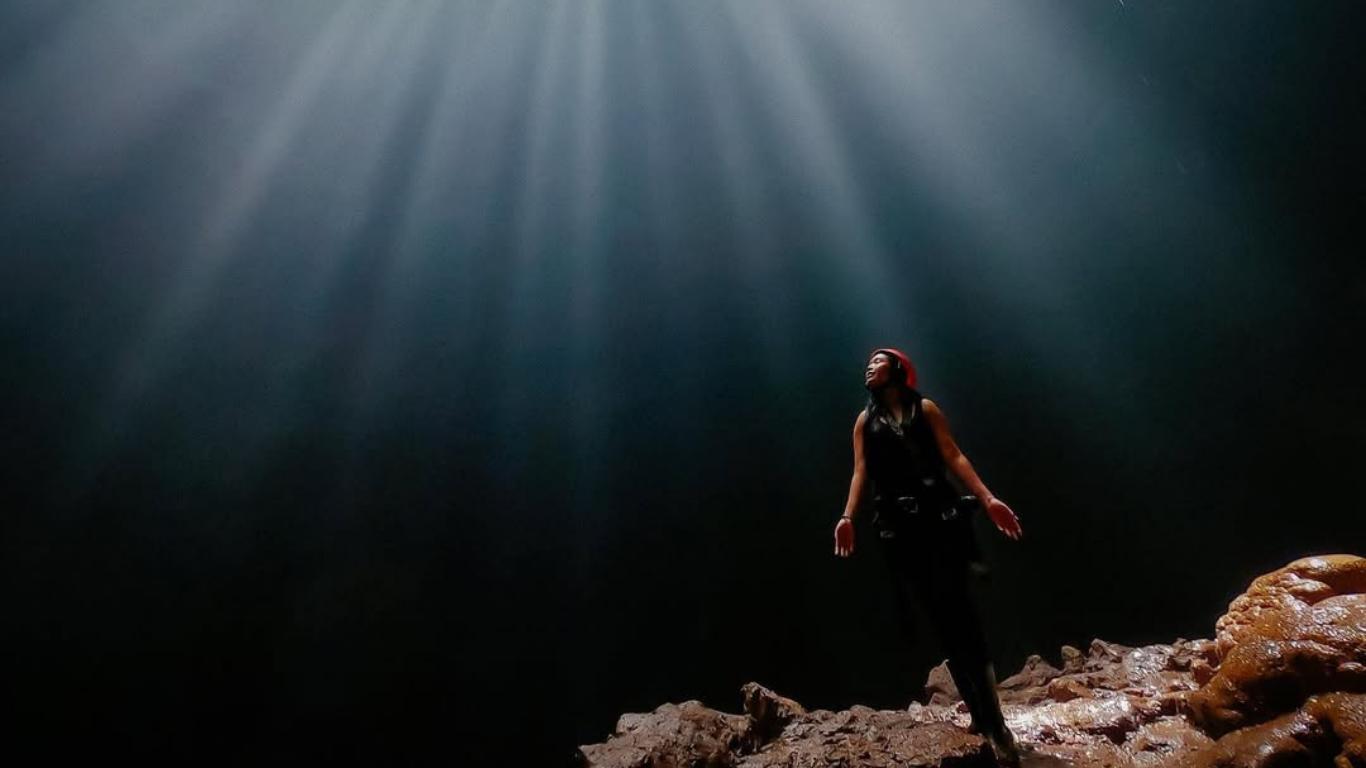
For travelers looking for a more adventurous experience near Yogyakarta, Goa Jomblang offers an unforgettable underground adventure.
The cave is famous for its vertical entrance and dramatic underground environment. Visitors descend into the cave before continuing through its subterranean landscape.
One of the most photographed experiences occurs when sunlight enters the cave, creating beams of light that illuminate the underground chamber under suitable conditions.
Goa Jomblang is more physically demanding than a conventional sightseeing attraction. Proper equipment, local guides, and adherence to safety procedures are essential.
Because access involves specialized equipment and a controlled descent, travelers should always follow the instructions of local operators and respect access limitations.
The experience demonstrates why Java’s adventure tourism extends well beyond volcanoes and beaches.
Combined with Borobudur, Prambanan, village experiences, and other destinations around Yogyakarta, Goa Jomblang can become part of a broader Yogyakarta cultural heritage tour.
Exploring Java responsibly means considering the environmental and social impact of every journey.
Eco-tourism is not simply about visiting natural destinations. It is also about how travelers behave, where they spend their money, and how tourism contributes to local communities.
Whenever possible, choose responsible tour operators that work with licensed local guides, drivers, accommodation providers, and community businesses.
A responsible operator should prioritize visitor safety, respect local regulations, minimize unnecessary environmental impact, and maintain good relationships with communities.
Travelers can also learn more about Indonesia’s tourism industry through the official Indonesia Travel portal.
For Javaindo Ecotourism, this principle means designing private and tailor-made journeys that connect travelers with local destinations while working with local tourism partners.
Indonesia’s tropical climate means travelers often need to drink plenty of water, particularly during trekking and outdoor activities.
Instead of repeatedly purchasing single-use plastic bottles, bring a reusable water bottle whenever practical.
Small actions such as this can reduce unnecessary plastic consumption during a multi-day journey.
Travelers can also consider reusable shopping bags, refillable toiletries, and other low-waste alternatives.
Java is home to diverse cultures, traditions, and religious communities.
When visiting villages, temples, mosques, cultural sites, or local communities, travelers should dress appropriately, ask permission before photographing people, and respect local customs.
Responsible tourism is based on interaction rather than intrusion.
A good cultural experience should benefit both the traveler and the host community.
One of the simplest ways to contribute to sustainable tourism is to spend locally.
Choose locally owned restaurants, accommodation providers, guides, drivers, handicraft producers, and community-based tourism initiatives whenever possible.
Buying directly from local artisans can also help preserve traditional skills and provide income beyond the main tourist attractions.
This is particularly important in rural destinations where tourism can create additional economic opportunities for communities.
Whether hiking Bromo, Ijen, Tumpak Sewu, Dieng, or exploring a cave, the principle is simple:
Leave the destination as you found it—or better.
Do not leave rubbish, remove plants, disturb wildlife, write on rocks, or damage natural and cultural sites.
Stay on designated trails when required and follow instructions from local guides and park authorities.
A spectacular destination remains valuable only when future generations can experience it too.
Java is particularly attractive for eco-adventure travelers because its experiences are remarkably diverse within one island.
A single journey can combine:
The diversity also makes Java suitable for different travel styles.
Adventure travelers can focus on trekking and volcanic landscapes. Photographers can build itineraries around sunrise, waterfalls, villages, and dramatic scenery. Cultural travelers can combine nature with Borobudur, Prambanan, and traditional communities.
For travelers interested in responsible tourism, the combination of nature, culture, and local communities makes Java particularly compelling.
The biggest advantage of a private, tailor-made journey is flexibility. Instead of following a fixed itinerary, travelers can adjust the pace, duration, accommodation style, activities, and destinations according to their interests.
The dry season, from April to October, is best for most of these activities — especially Bromo, Ijen, and Baluran, where trails can get slippery and visibility drops during the rainy season (November–March).
Yes. Both sites require a local guide, partly for safety (dark pre-dawn hikes, sulfuric gas at Ijen) and partly because guiding fees directly support the Tengger and local mining communities who manage these areas.
Most of these trips are manageable for reasonably fit travelers with no technical climbing experience — Bromo’s walk is short, and Borobudur/Dieng require only light walking. Goa Jomblang (rappelling) and the Tumpak Sewu descent are the two most physically demanding stops on this list.
Realistically 5–7 days, since Bromo/Ijen (East Java) and Borobudur/Dieng/Jomblang (Central Java/Yogyakarta) are several hours apart. Most travelers split this into two legs rather than doing it all in one rushed trip.
Each site on this list is tied to a local conservation or community program — national park ranger patrols, village-run homestays, or cooperative-managed access — so tourism revenue has a direct, traceable link to protecting the site and supporting the people who live there.
Yes — see our Java overland tour package for a route that links Bromo, Ijen, and the Yogyakarta highlights in one trip.
From the volcanic landscapes of Bromo and Ijen to the waterfalls of Tumpak Sewu, wildlife of Baluran, villages around Borobudur, highlands of Dieng, and underground world of Goa Jomblang, Java offers some of Indonesia’s most memorable adventure experiences.
A well-designed Java itinerary can combine adventure, culture, nature, and responsible tourism without turning the journey into a rushed checklist of attractions.
If you are planning a private journey through Java, you can explore our Java tour packages and create an itinerary around the experiences that interest you most.
For a tailor-made itinerary, transportation, accommodation, local guides, or a combination of Java’s natural and cultural highlights, get in touch with Javaindo Ecotourism.
Your Java adventure can be more than a holiday—it can be a meaningful journey through Indonesia’s landscapes, cultures, and communities.
EXPLORE . EXPERIENCE . DISCOVER INDONESIA
Javaindo Ecotourism is a local Indonesia tour operator and Destination Management Company (DMC), creating private and tailor-made journeys across Java, Bali and beyond. Our local destination experts combine in-depth knowledge, trusted local connections and on-the-ground support to design authentic Indonesia travel experiences around your interests, pace and travel style.
16+ years of destination knowledge
Private journeys designed around you
Local team from arrival to departure
AUTHENTIC JOURNEYS A BRIGHTER TOMORROW

EXPLORE THE REAL
Private and customized journeys across Indonesia’s most beautiful destinations with authentic experiences and responsible travel.