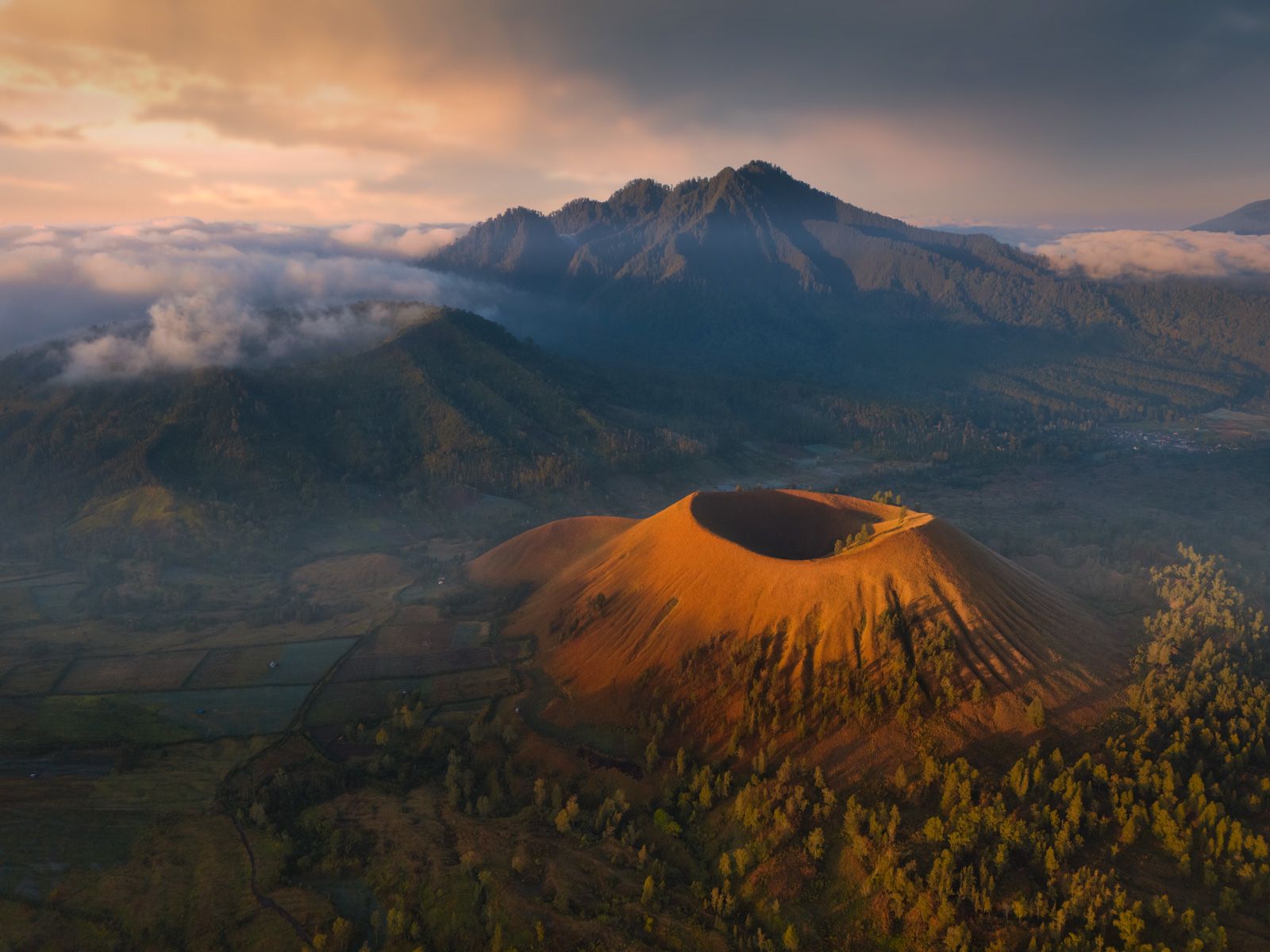

The Ijen Volcano Tour is one of Indonesia’s most extraordinary adventure experiences. Located in East Java, Mount Ijen is famous for its rare blue fire phenomenon, dramatic volcanic landscapes, and the striking turquoise crater lake.
Travelers visiting East Java often combine the Ijen trek with a wider Java overland journey, exploring multiple volcanic and cultural highlights across the island. Many visitors plan their route through Yogyakarta, Mount Bromo, and Ijen, creating one of the most iconic travel routes in Indonesia.
If you are planning a longer journey across the island, you can explore our Java Overland Tour across Indonesia to discover temples, volcanoes, and authentic local culture.
Mount Ijen is part of the Ijen volcanic complex, located between the regencies of Banyuwangi and Bondowoso. The volcano is globally known for two unique natural phenomena:
These features make the Ijen Volcano one of the most fascinating volcanic destinations in the world.
According to the Indonesia Tourism Official Website, Mount Ijen is one of the most unique geological attractions in Southeast Asia.
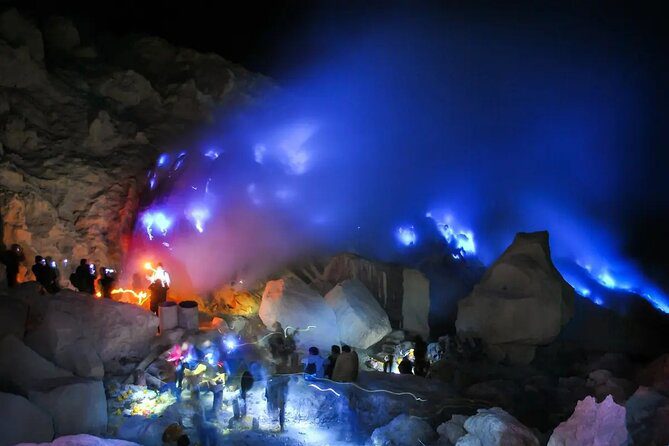
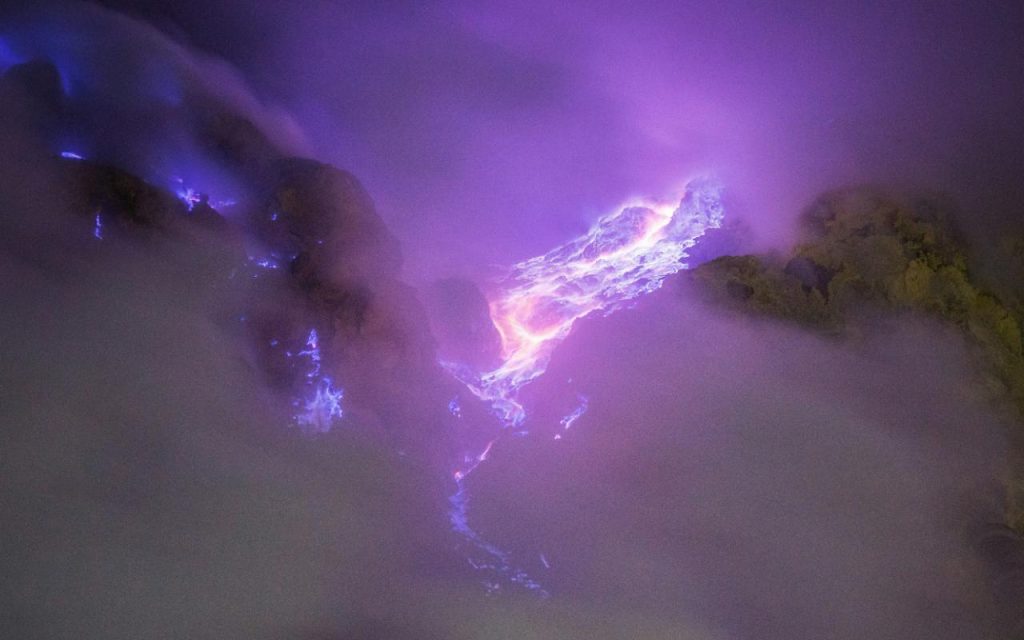
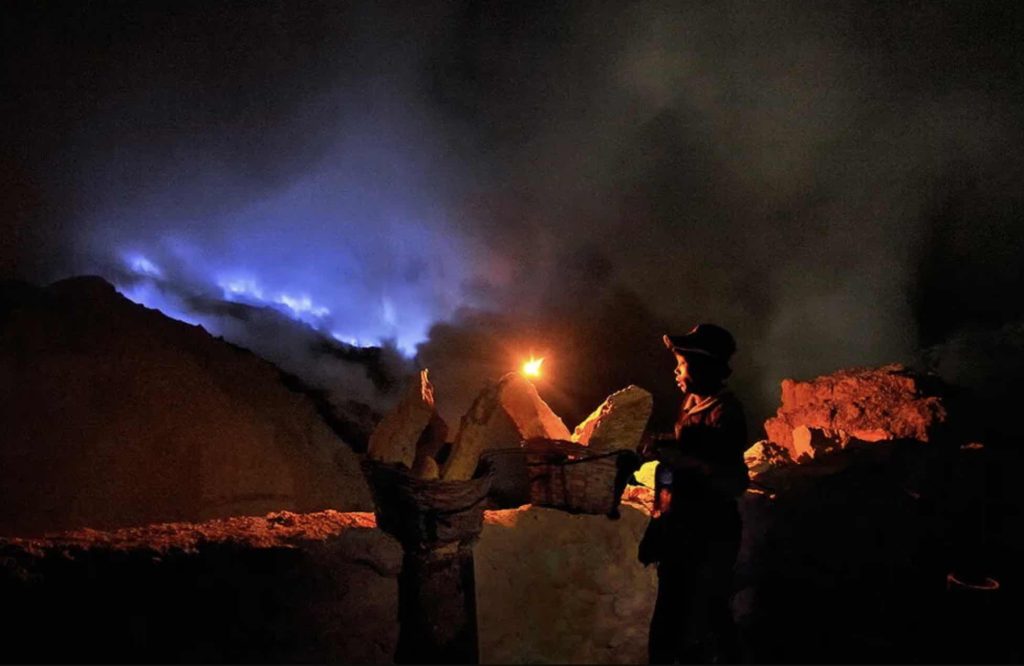
One of the biggest highlights of the Ijen Volcano Tour is witnessing the famous blue fire phenomenon.
This natural phenomenon occurs when sulfuric gases emerge from volcanic cracks and ignite when they contact oxygen. The gases burn with an electric-blue flame that glows in the darkness of the crater.
Because the blue flames are only visible at night, the trek usually begins around midnight.
Visitors hike under the stars toward the crater and descend into the volcano to witness the glowing blue flames illuminating the darkness.
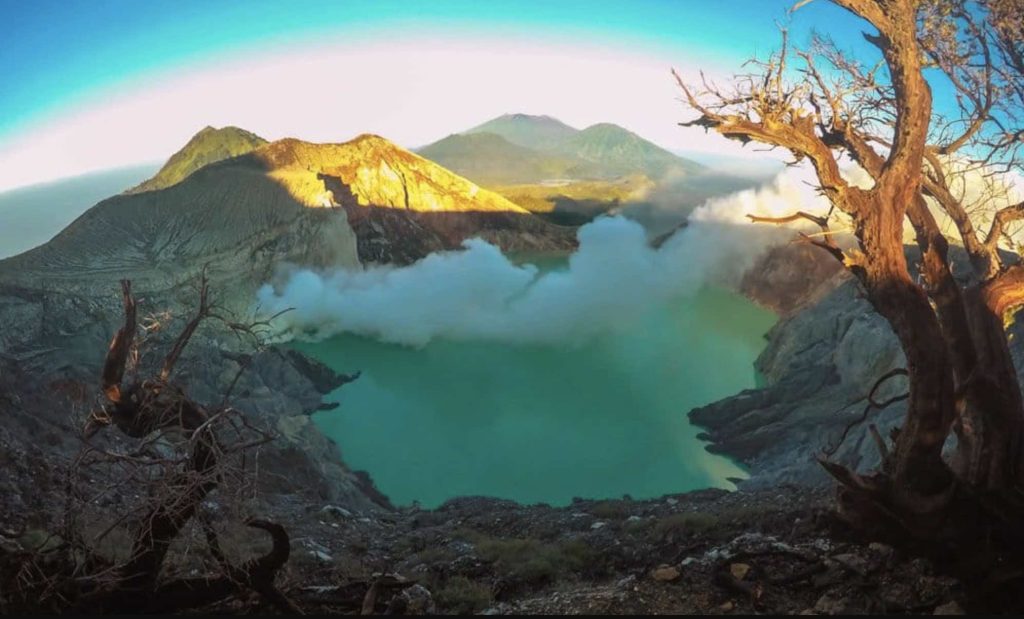
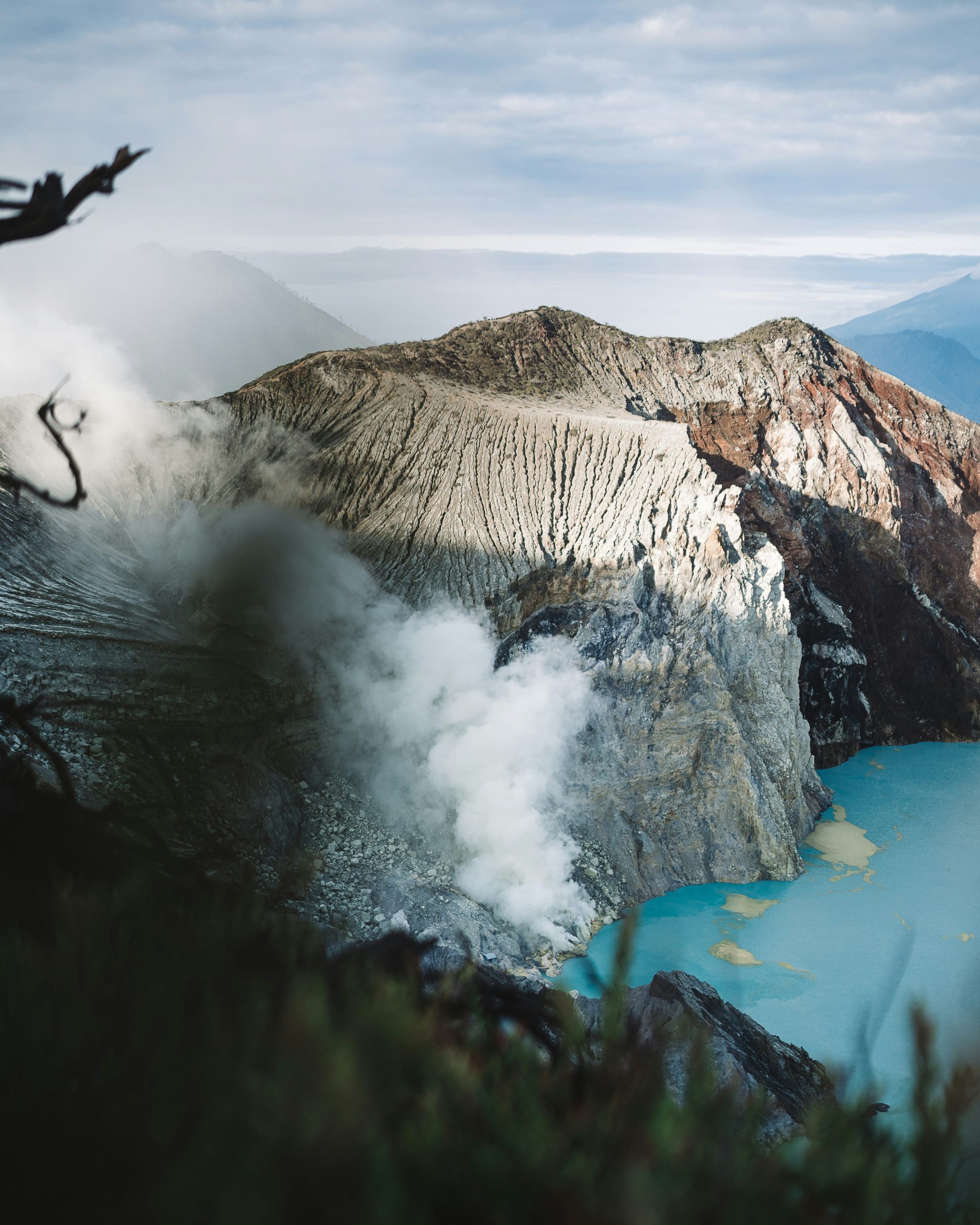
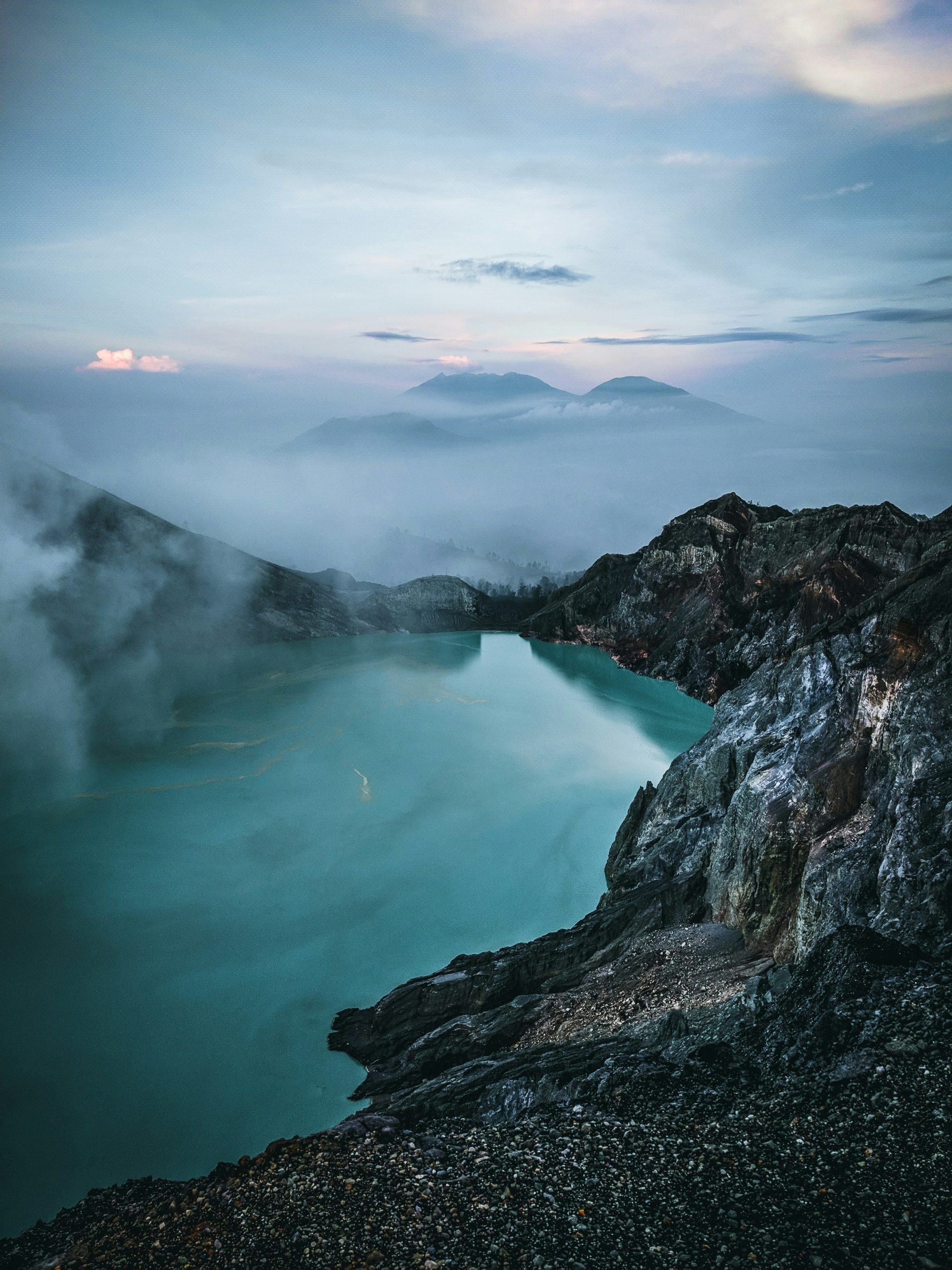
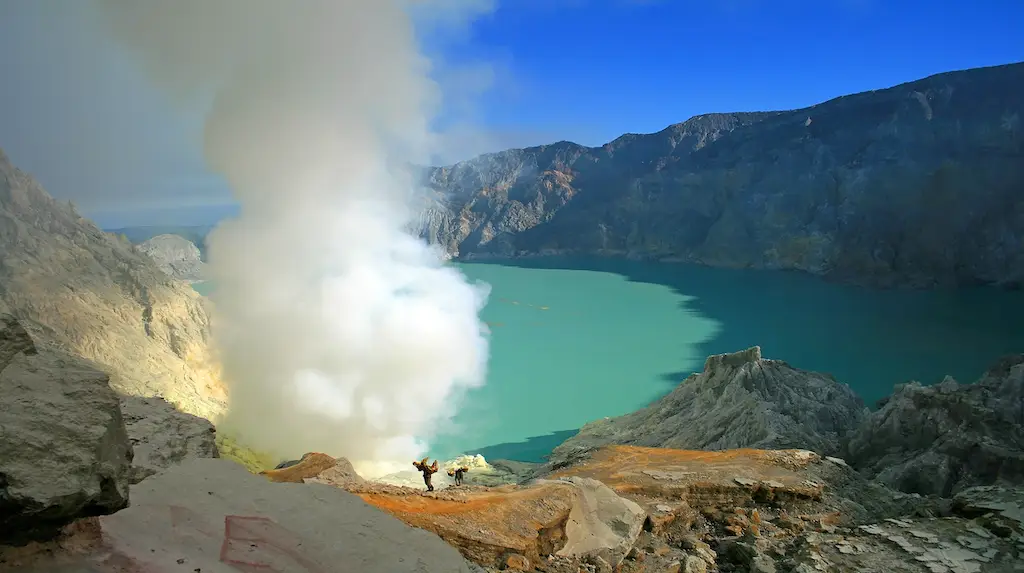
Another spectacular feature of Mount Ijen is its crater lake, known as one of the most acidic lakes in the world.
The lake’s intense turquoise color comes from high concentrations of sulfuric acid and dissolved metals inside the volcanic water.
At sunrise, the lake reflects the soft morning light while mist rises from the crater floor, creating one of the most photogenic volcanic landscapes in Indonesia.
Photographers and nature lovers consider this moment one of the most rewarding parts of the Ijen trekking experience.
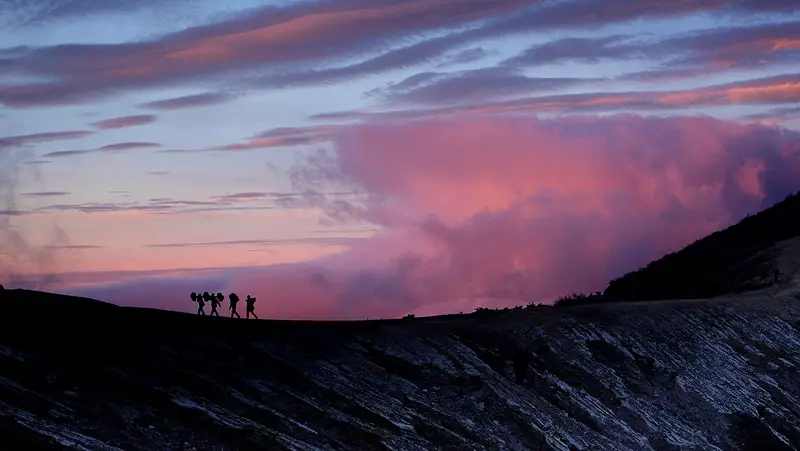
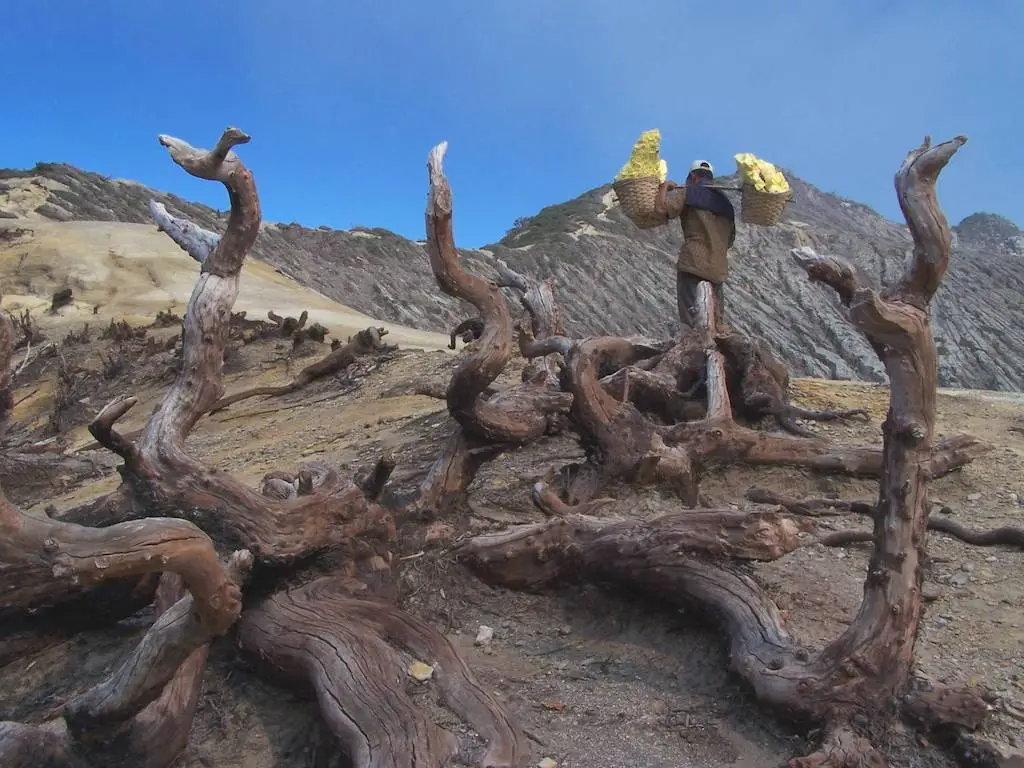
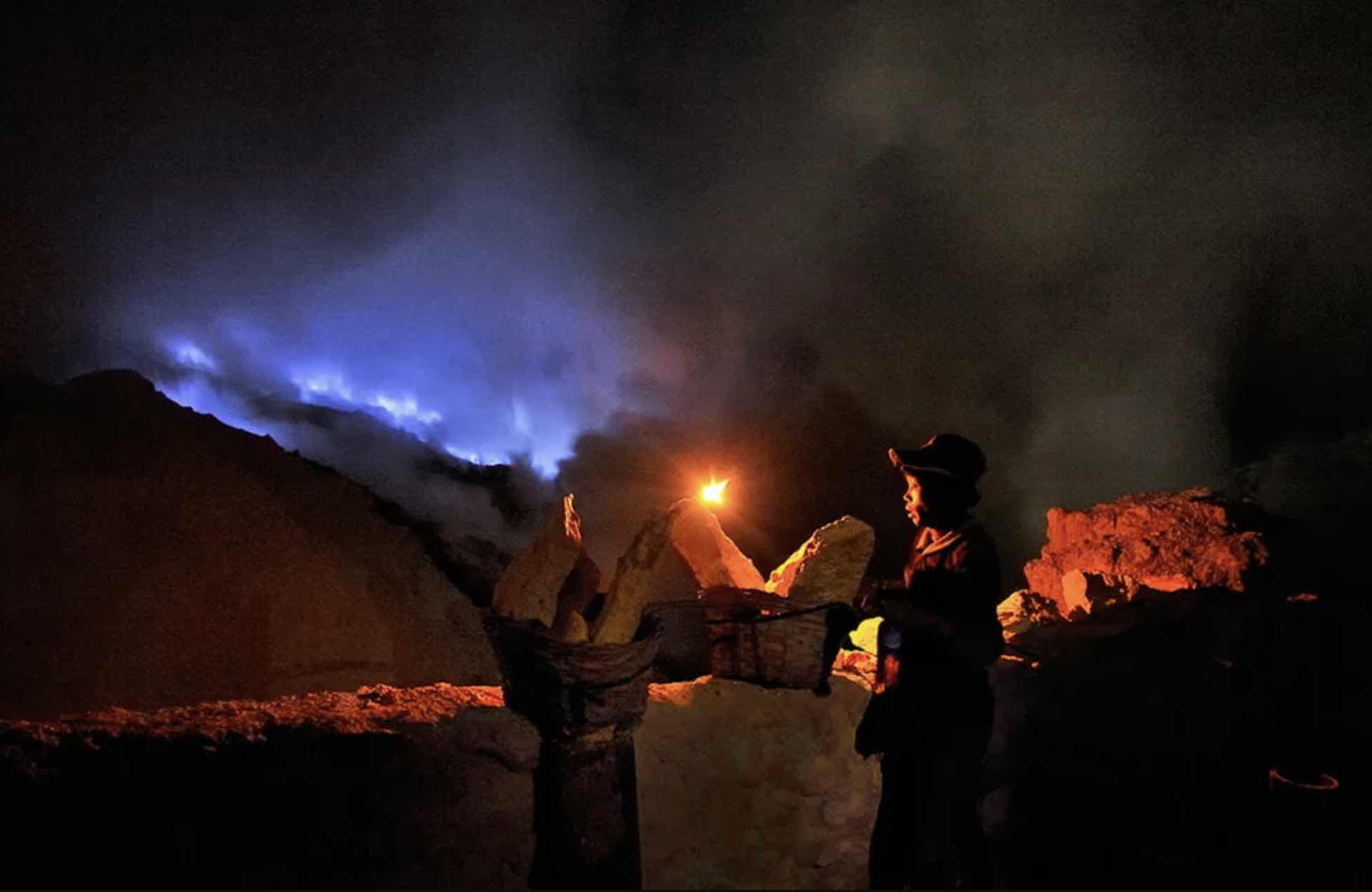
Mount Ijen is not only famous for its natural beauty but also for the sulfur miners who work inside the crater.
Every day, miners descend into the crater carrying baskets weighing up to 80 kilograms of sulfur. They transport these heavy loads from the crater floor to the collection point outside the volcano.
Meeting these miners offers visitors a powerful insight into the daily lives and resilience of local communities in East Java.
Responsible tourism encourages travelers to respect the miners and support ethical travel practices during their visit.
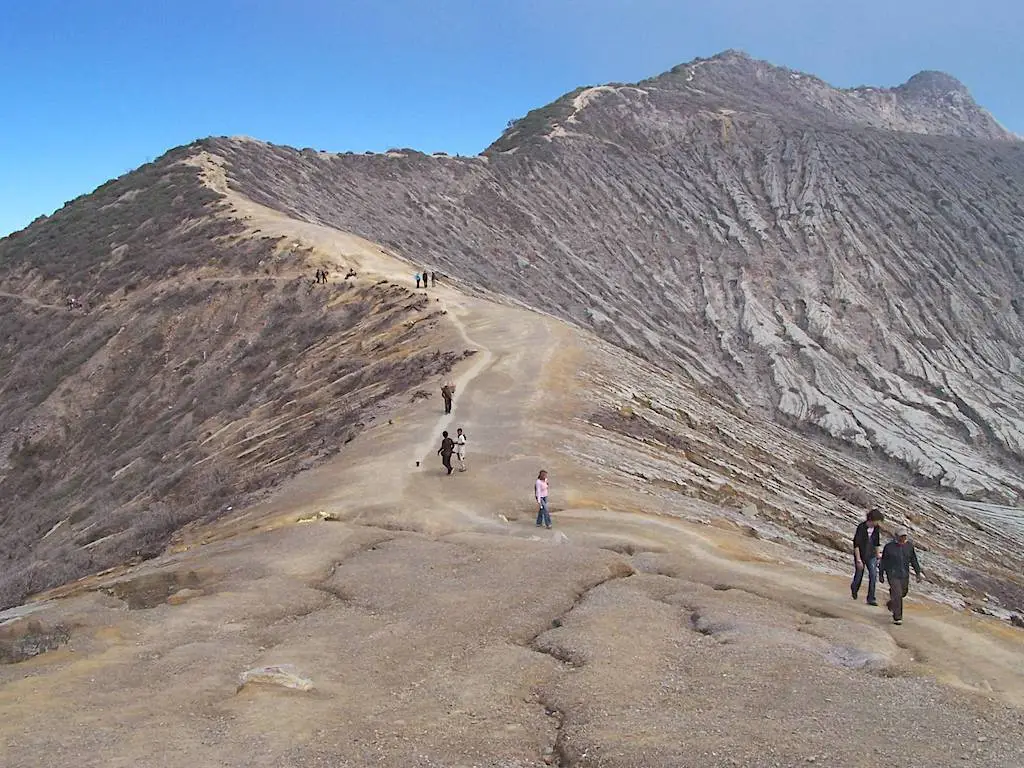
The trek to Ijen Volcano begins at Paltuding Base Camp, located about 1,850 meters above sea level.
From here, the hike to the crater rim takes approximately:
Visitors who want to see the blue fire will continue descending into the crater before sunrise.
Because of sulfur gases near the vents, most tours provide gas masks and experienced local guides to ensure safety during the trek.
The Ijen Blue Fire Midnight Trek is the most popular experience. Travelers start hiking at night to reach the crater before sunrise and witness the rare blue flames.
For travelers who prefer a less intense hike, the Ijen Sunrise Trekking Tour focuses on reaching the crater rim at sunrise to enjoy the stunning lake views.
Many travelers visit Mount Ijen from Bali. The journey usually includes a ferry crossing from Gilimanuk to Ketapang Harbor before continuing to the volcano.
Many travelers combine the Ijen trek with a Mount Bromo sunrise tour to explore East Java’s most iconic volcanic landscapes.
Mount Bromo offers dramatic views of volcanic craters, the Sea of Sand, and one of the most famous sunrises in Indonesia.
First, most travelers begin their journey in Banyuwangi, the closest city to Ijen Crater. From Banyuwangi, it takes about 1.5 hours by car to reach the starting point. In addition, visitors coming from Bali can take a ferry from Gilimanuk to Ketapang Harbor. Afterward, they can continue by private car or tour transport. Moreover, those traveling from Surabaya or Malang may combine their Ijen trip with a Bromo Volcano Tour, creating a longer East Java adventure. Finally, guided tours usually include all transfers, making the journey stress-free.
The best time to visit Mount Ijen is during the dry season.
Dry Season (April – October)
Wet Season (November – March)
To make your experience more enjoyable, keep these tips in mind.
Many travelers combine the trek with a Mount Bromo sunrise tour for a complete East Java adventure.
The blue fire is visible every night. However, it’s best seen before sunrise.
The trek takes about 1.5 to 2 hours from the base to the rim. Therefore, a moderate level of fitness is recommended.
The tour is safe for most travelers. This is because it includes professional guides, proper gear, and preparation.
Most tours are overnight with a midnight departure for the blue fire trek. This is because the blue fire is best seen in the dark.
The Ijen Volcano Tour offers one of the most unique volcanic experiences in the world. From the mysterious blue flames to the spectacular crater lake and the inspiring stories of sulfur miners, every moment of the journey is unforgettable.
If you are planning to explore East Java, combining Mount Ijen with Mount Bromo and other destinations along a Java overland route will create a deeper and more meaningful travel experience.
Javaindo Ecotourism is a local Indonesian tour operator specializing in volcano expeditions, cultural journeys, and eco-tourism experiences across Java, Bali, Komodo, and beyond.
With extensive experience guiding travelers to Mount Bromo, Ijen Volcano, and remote destinations across Indonesia, our team focuses on responsible tourism and authentic travel experiences.
.