
Sumba Island is one of Indonesia’s last untouched destinations, known for its wild landscapes, traditional culture, and hidden beaches.
This Sumba Island travel guide will help you discover the best places to visit, beaches, cultural experiences, itinerary, and travel tips for a smooth journey.
Unlike Bali, Sumba remains raw, peaceful, and authentic — perfect for photographers, nature lovers, and cultural explorers.
Explore our curated Indonesia tour packages: Indonesia Tour Packages
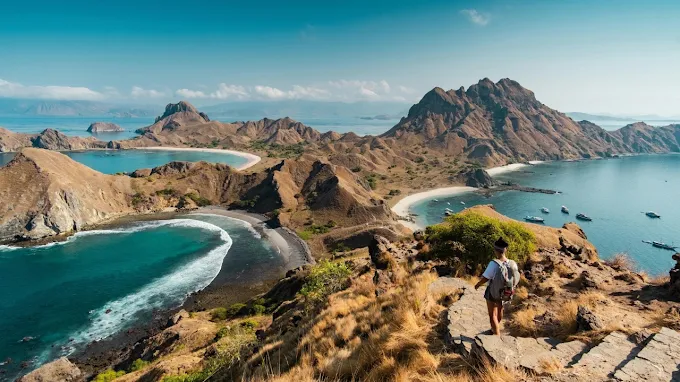
Sumba offers unique experiences, including untouched beaches, traditional villages, wild horses, and dramatic savannah landscapes.
It is one of the best destinations in Indonesia for authentic travel, photography, and cultural exploration.
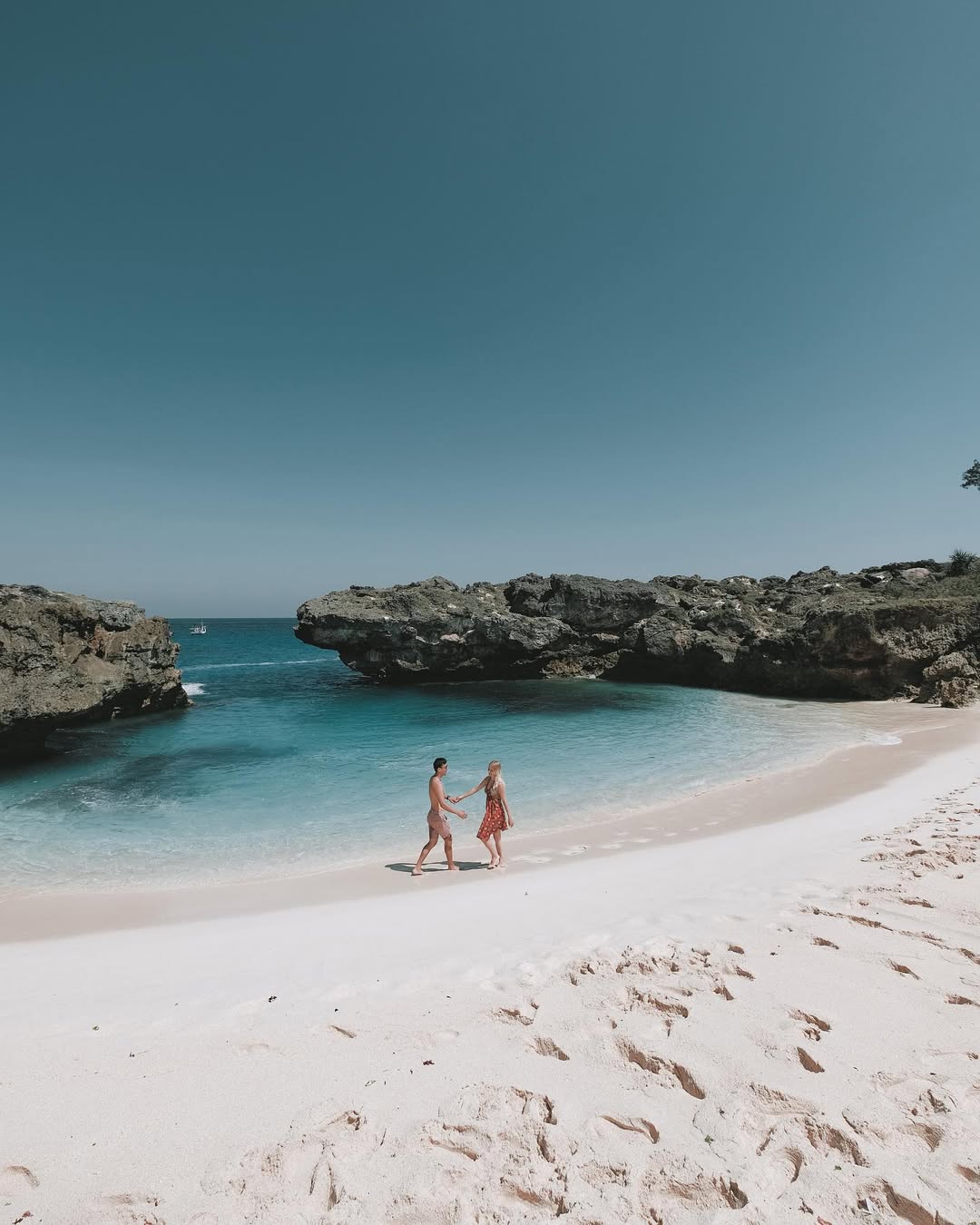
Unspoiled white-sand beaches.
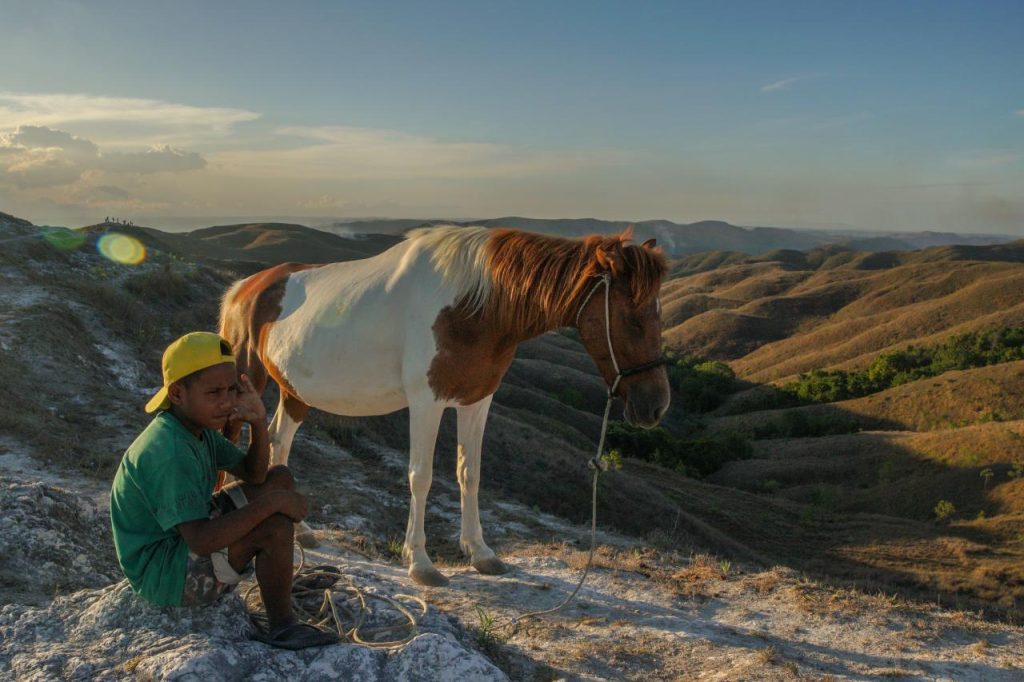
Also, iconic Sandalwood horses roam free.
Only Sumba has these high-peaked traditional houses.
The island has one of Indonesia’s most amazing waterfalls.
Plus, you will see savannah landscapes that look like Africa.
Rich tribal culture and ancient stone tombs are here.
Visiting Sumba feels like traveling back in time. In short, the island is peaceful, natural, and culturally alive.
Learn more about Indonesia tourism: Indonesia Official Tourism
Here are the best places to visit in Sumba, including beaches, waterfalls, and cultural villages:
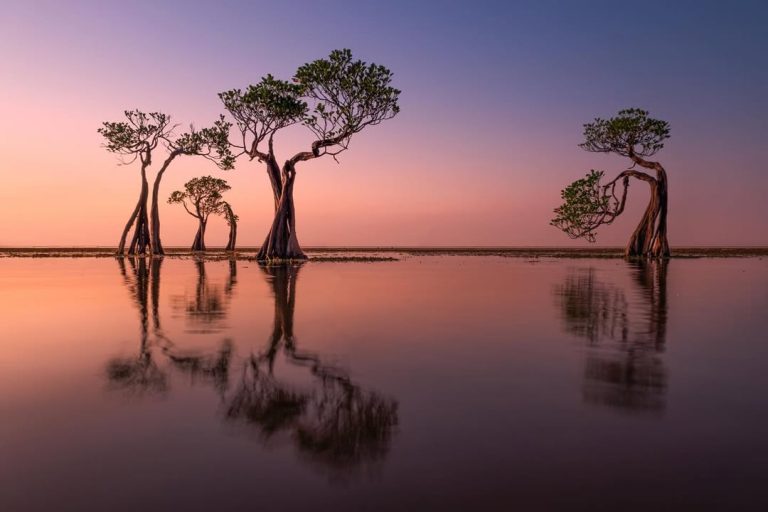
Walakiri Beach is a charming coastal spot in Sumba. This is best during low tide. Here, the famous mangrove trees look like they are “dancing” as the water leaves. This makes elegant shapes against the bright sky. Also, the shallow tidal pools reflect the fiery sunset colors. This gives photographers a perfect natural mirror. Because of this magical mix of light and nature, Walakiri is a must-see spot. It is ideal for anyone who wants artistic photos in Sumba.
Discover more destinations in Indonesia: Java Tour Packages
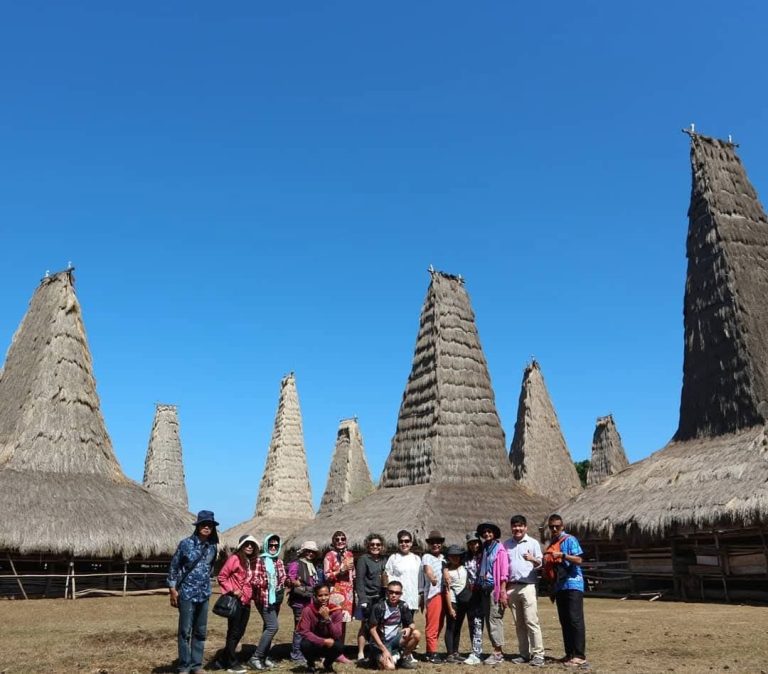
Ratenggaro Village shows Sumba’s ancient stone culture. Its tall, peaked houses (uma bokulu) rise dramatically. They stand above stone tombs that are centuries old. Also, the village is close to a rugged coastline. This makes the view even more striking. Visitors can learn about old traditions. They can also see daily life. You will find a rich cultural spot here. As you explore, you will feel the deep link between the community and its history right away.
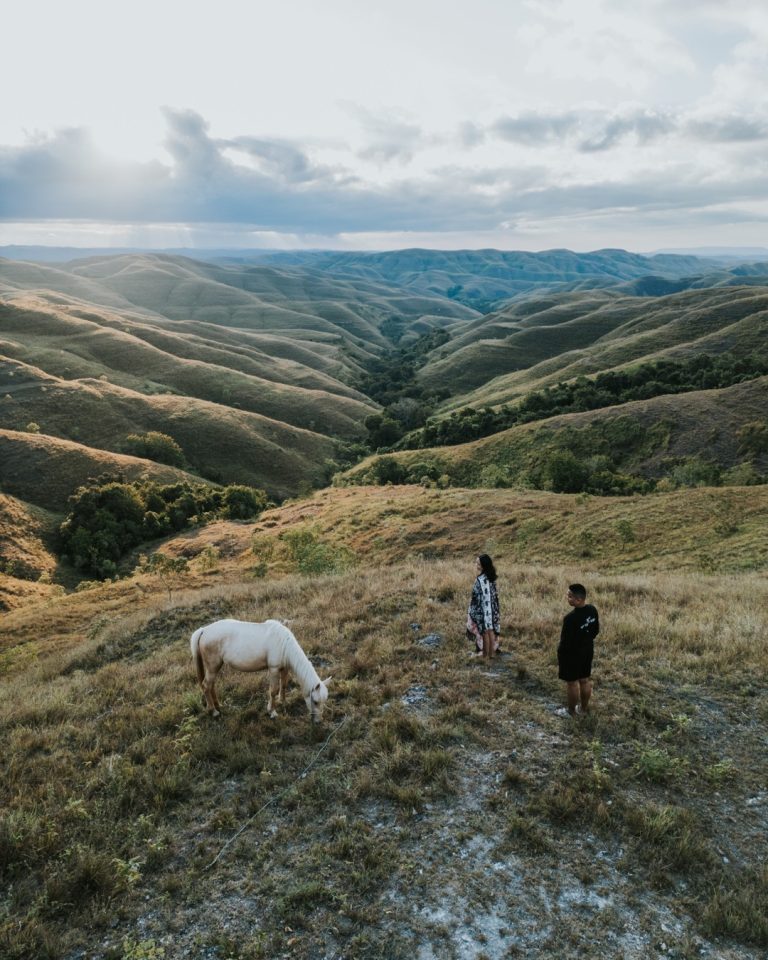
Wairinding Hill is famous for its wide savannah views. During the rainy season, the hills turn vibrant green. In the dry months, they change into warm golden colors. This means the scenery offers a beautiful contrast all year. Also, the gentle slopes and wide open spaces make it a popular spot for photos. This is great for both sunrise and sunset. When the early morning light hits the hills, the view becomes peaceful, cinematic, and memorable.
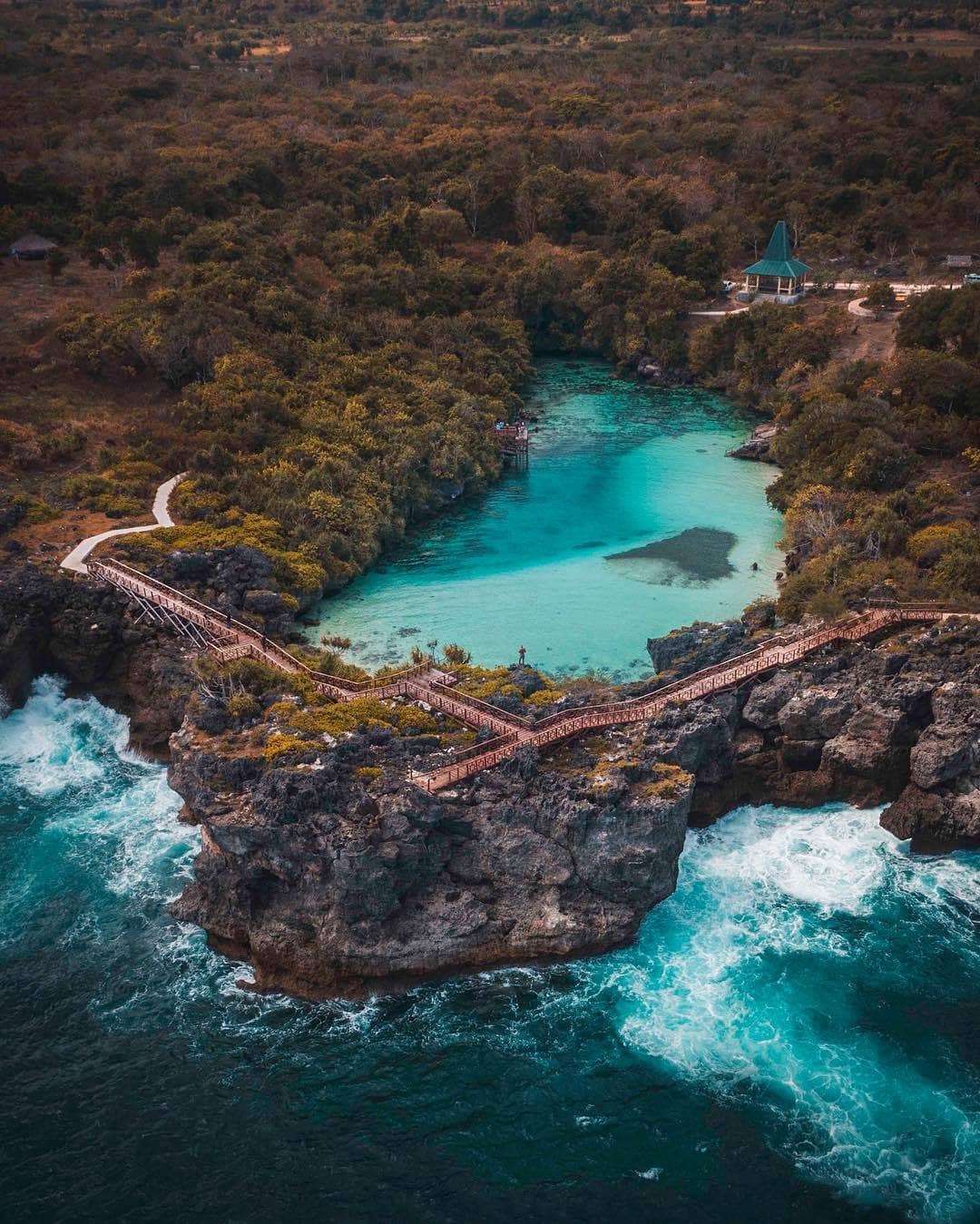
Mandorak and Weekuri Lagoon form one of Sumba’s most dramatic coastal areas. Mandorak features rugged cliffs. It also has powerful crashing waves. It offers great views of the open ocean. Meanwhile, Weekuri Lagoon is only a short distance away. It shows crystal-clear blue water. This water is perfect for swimming and relaxing. Together, these two spots show Sumba’s natural contrasts. They are wild and calm, rugged and serene. Since they are close, travelers often visit both in one trip.
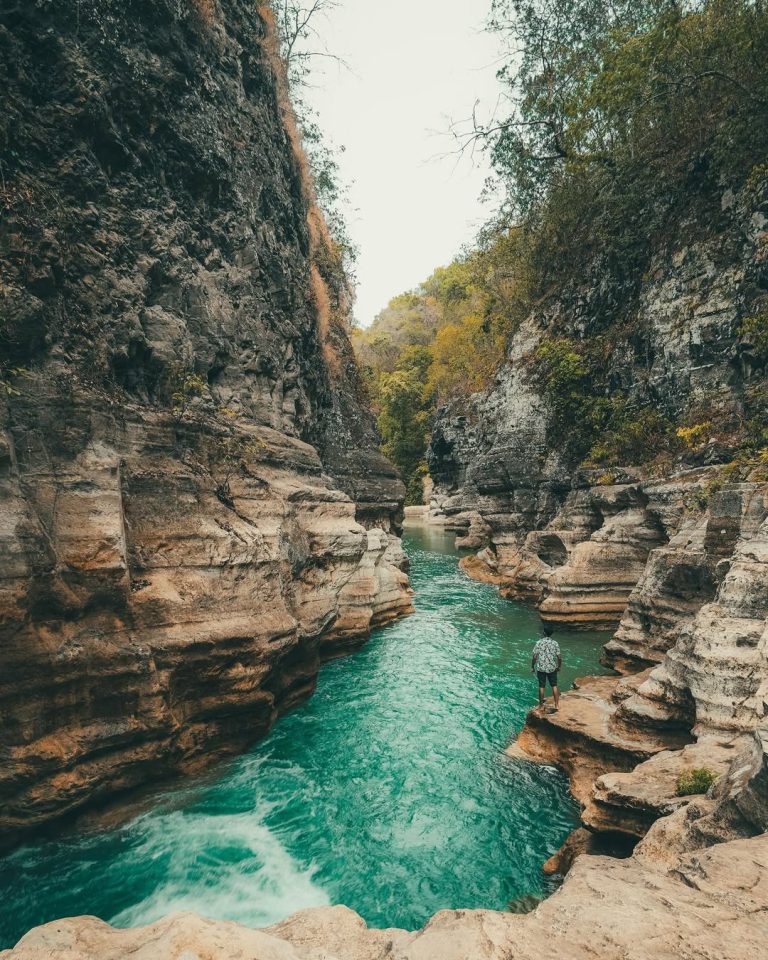
Tanggedu Waterfall wows visitors. It features canyon-like stone shapes and blue water. After a short, fun hike, you will reach several natural pools. Water carved these pools into the stone. Also, the narrow gorge and layered rock create a landscape. Many people compare it to a small Grand Canyon. The water is cool, inviting, and perfect for a mid-day break. Because of its unique rocks and bright colors, Tanggedu is one of the best waterfalls for photos in Sumba.
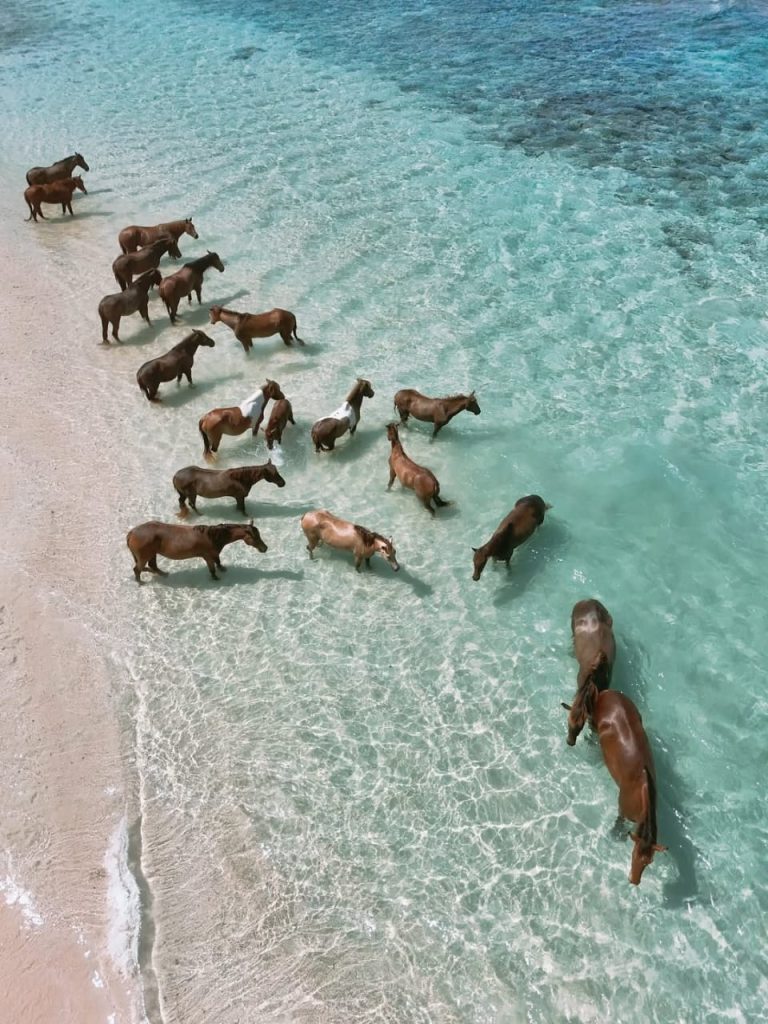
Sandalwood horses are an iconic symbol of Sumba. These graceful animals often roam free along remote beaches. This creates amazing scenes for travelers and photographers. Also, their presence reflects the island’s long tradition of breeding and riding horses. Watching them run along the shoreline feels both wild and deeply poetic. This is true especially during golden hour. Because these moments happen naturally, travelers often consider them the most magical experiences in Sumba.
Sumba holds some of Indonesia’s oldest cultural practices. Communities keep strong ties to nature and ancestral beliefs. They also follow old rituals. Visitors who explore deeper will find these customs. Harmony, respect, and storytelling root these customs.
Sumba culture is one of the most unique in Indonesia, known for Pasola festival, ancient stone tombs, and traditional ikat weaving.
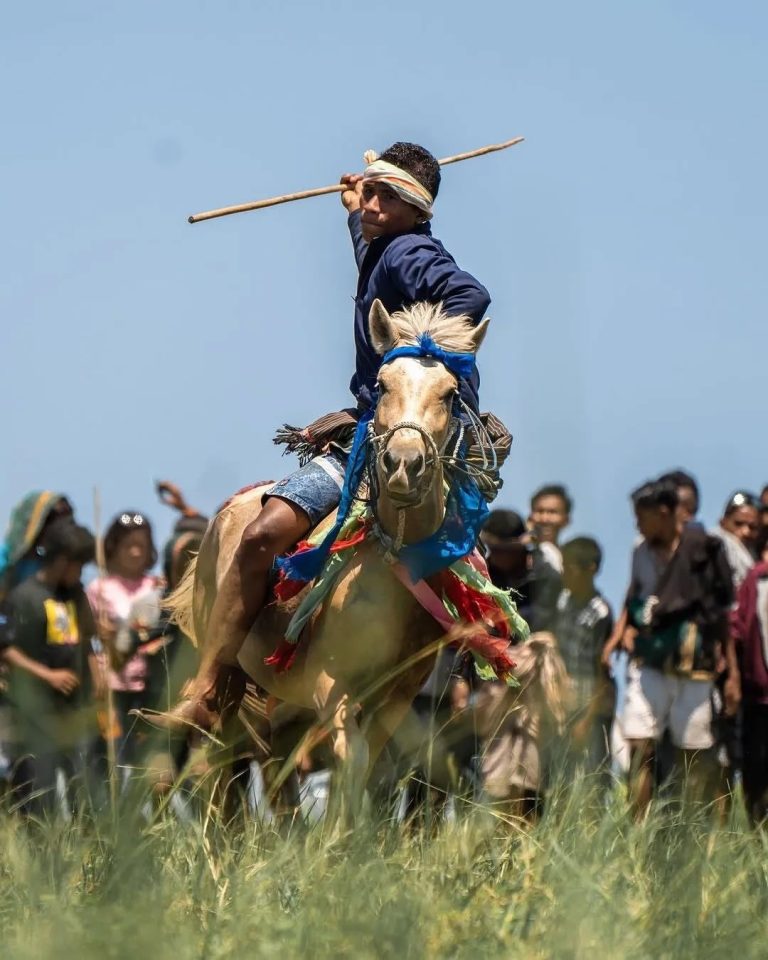
Pasola is one of Sumba’s most exciting cultural events. The community holds it once a year. This ritual uses skilled horsemen. They ride fast and symbolically throw spears. Also, the festival shows thanks for the harvest and blessings. It attracts both locals and visitors. The energy, music, and tradition make Pasola an amazing cultural highlight.
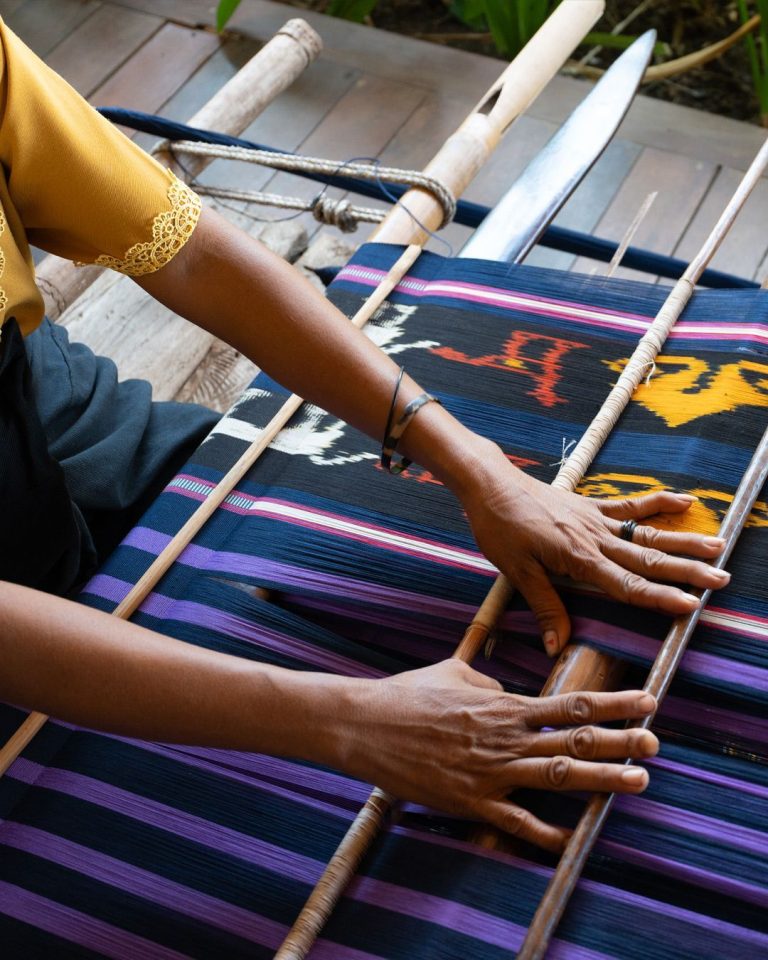
Sumba’s ikat textiles are famous worldwide. This is due to their intricate patterns and deep meanings. Artisans use natural dyes and old weaving techniques. These techniques can take months to finish. As you watch, you will appreciate the dedication and patience in every piece. You will also see cultural pride. Because each design tells a story, Sumba’s weavers pass down ikat heritage. This makes it more than just art.
April to October: Expect the best weather and golden landscapes.
November to March: Expect green scenery, but with some rain.
Sunrise and sunset give the best light for photography. This is especially true at Walakiri, Wairinding, and Tanggedu.
Read the full weather guide: Best Time to Visit Indonesia
Travelers can reach Sumba through two airports. These are Tambolaka Airport (TMC) or Waingapu Airport (WGP). TMC is in West Sumba. WGP is in East Sumba.
You can get direct flights from Bali, Kupang, and Jakarta (via Kupang).
Once you arrive, hire a private driver. This is the easiest way to see the island’s many spots.
Most travelers fly from Bali to Sumba, making it easy to combine this destination with Bali or other Indonesian islands.
Combine your trip with Bali: Bali Tour Packages
From our experience organizing tours in Sumba:
Avoid traveling after dark. Rural roads can be dangerous then.
A typical Sumba itinerary includes:
Day 1: Arrival + West Sumba (Ratenggaro, Mandorak Beach)
Day 2: Weekuri Lagoon + surrounding beaches
Day 3: Walakiri Beach + Tanggedu Waterfall
Day 4–5: Explore East Sumba + Wairinding Hill
A guided tour is highly recommended due to remote locations and road conditions.
Sumba is one of Indonesia’s most extraordinary islands. It is wild, authentic, and visually stunning. The island offers unique experiences. You cannot find these anywhere else. For instance, you will find ancient villages, blue lagoons, and golden hills. Sumba promises an unforgettable journey. This is true whether you seek photos, culture, or just to explore.
Start your Sumba journey with us:
Yes, Sumba is one of Indonesia’s most unique destinations, known for its untouched nature, beaches, and traditional culture.
A minimum of 3–5 days is recommended to explore both West and East Sumba.
The best time is from April to October during the dry season with sunny weather and clear skies.
You can fly from Bali to Tambolaka or Waingapu Airport with daily domestic flights.
Yes, Sumba is generally safe, but travelers should respect local customs and plan transportation carefully.
EXPLORE . EXPERIENCE . DISCOVER INDONESIA
Javaindo Ecotourism is a local Indonesia tour operator and Destination Management Company (DMC), creating private and tailor-made journeys across Java, Bali and beyond. Our local destination experts combine in-depth knowledge, trusted local connections and on-the-ground support to design authentic Indonesia travel experiences around your interests, pace and travel style.
16+ years of destination knowledge
Private journeys designed around you
Local team from arrival to departure
AUTHENTIC JOURNEYS A BRIGHTER TOMORROW

EXPLORE THE REAL
Private and customized journeys across Indonesia’s most beautiful destinations with authentic experiences and responsible travel.