
A journey into one of Indonesia’s most authentic islands
This Sumba travel guide is written by a trusted Indonesia tour operator to introduce travelers to one of Indonesia’s most authentic cultural landscapes, shaped by living traditions, dramatic nature, and strong community values.
Sumba Island stands apart from many other destinations in Indonesia. Rather than mass tourism, Sumba offers a slower and more meaningful travel experience rooted in ancestral traditions, rural landscapes, and cultural continuity.
Traveling to Sumba is about understanding place and people. Daily life is closely connected to rituals, clan systems, and ancestral beliefs that have been preserved for generations. Visitors are welcomed not as spectators, but as respectful guests.
Sumba is promoted by the Indonesia Tourism Authority as part of eastern Indonesia’s cultural and nature-based tourism development.
Sumba’s identity is inseparable from its landscapes and cultural practices. The island presents a striking contrast between rugged terrain and deeply rooted traditions.
Travel experiences often include:
Traditional hilltop villages with ancestral houses
Megalithic tombs and ritual sites
Seasonal ceremonies and local crafts
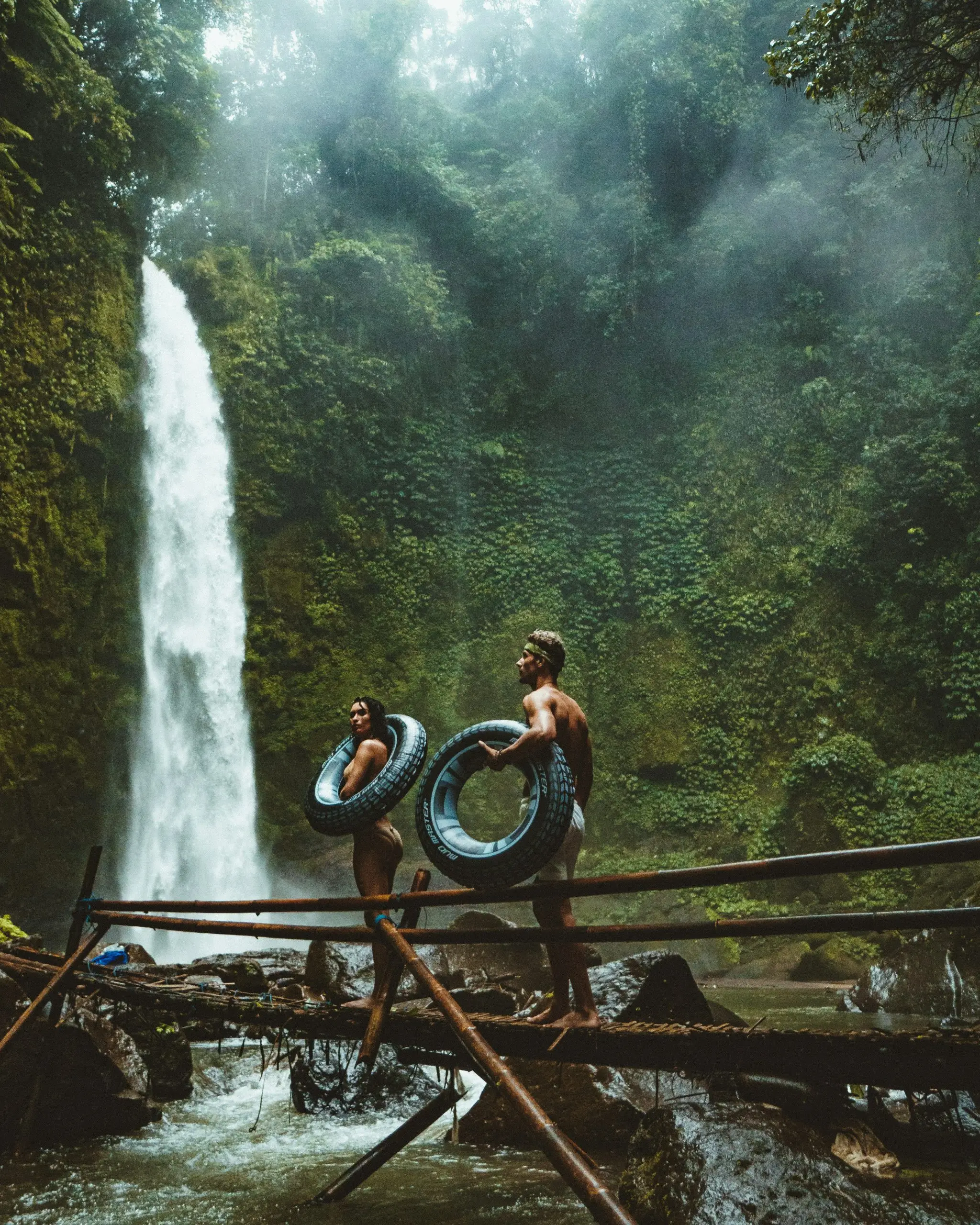
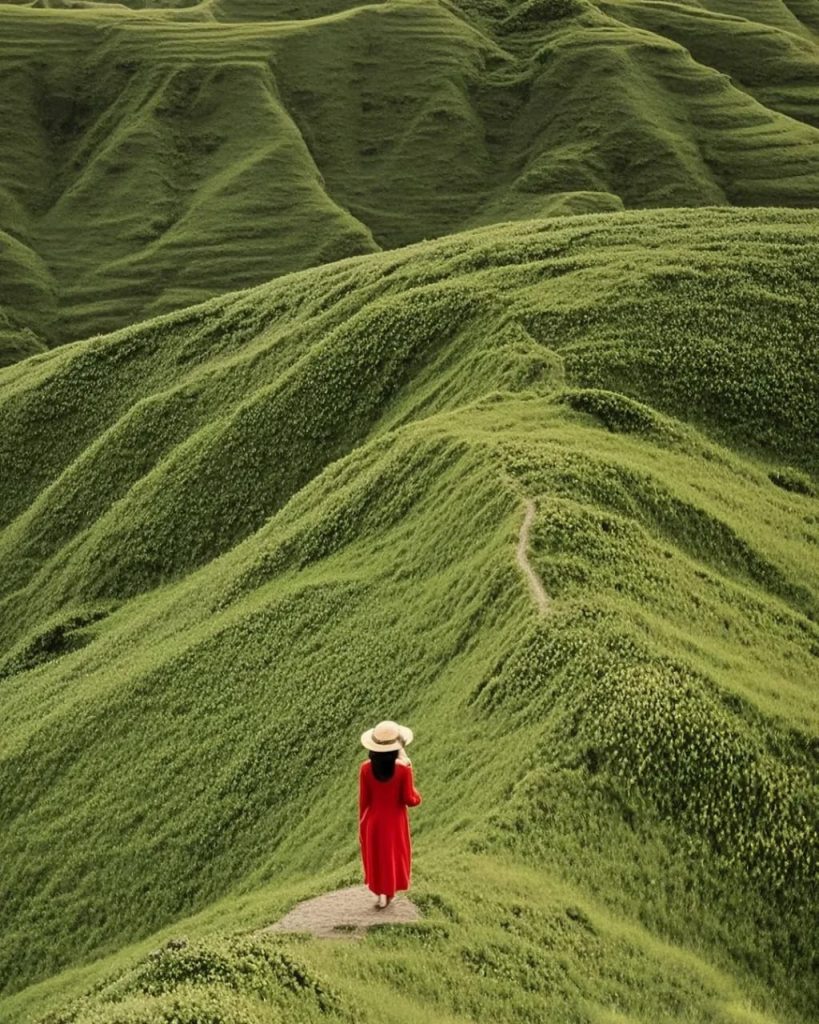
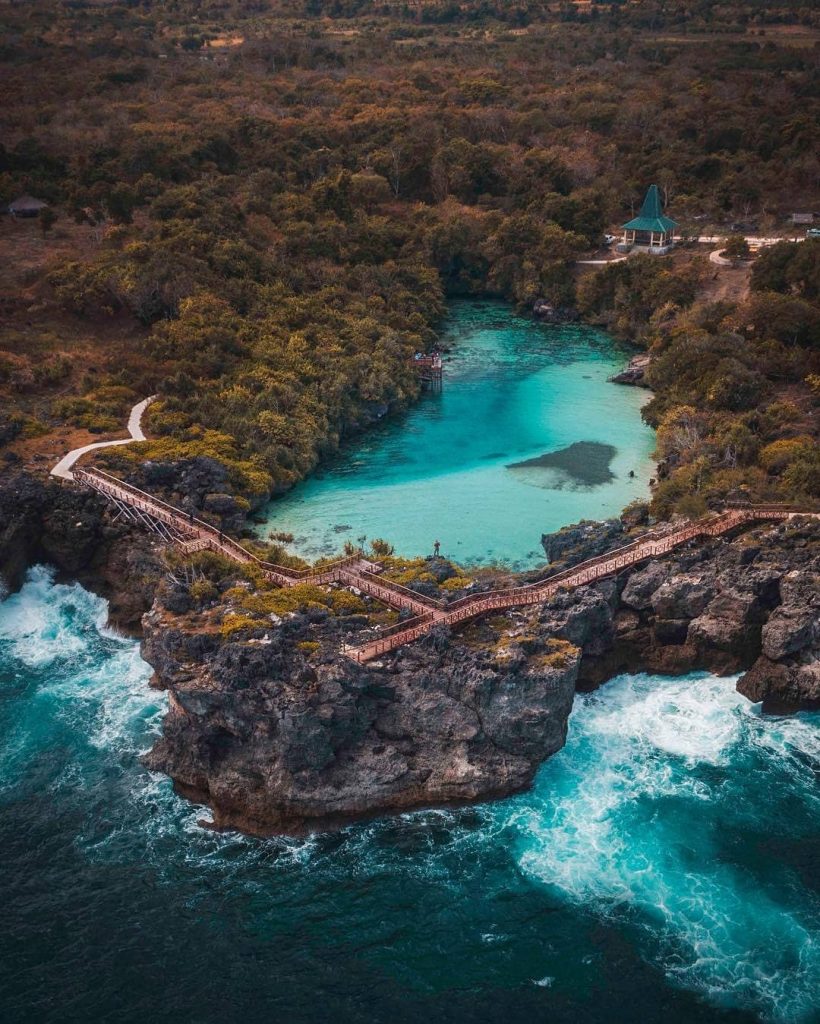
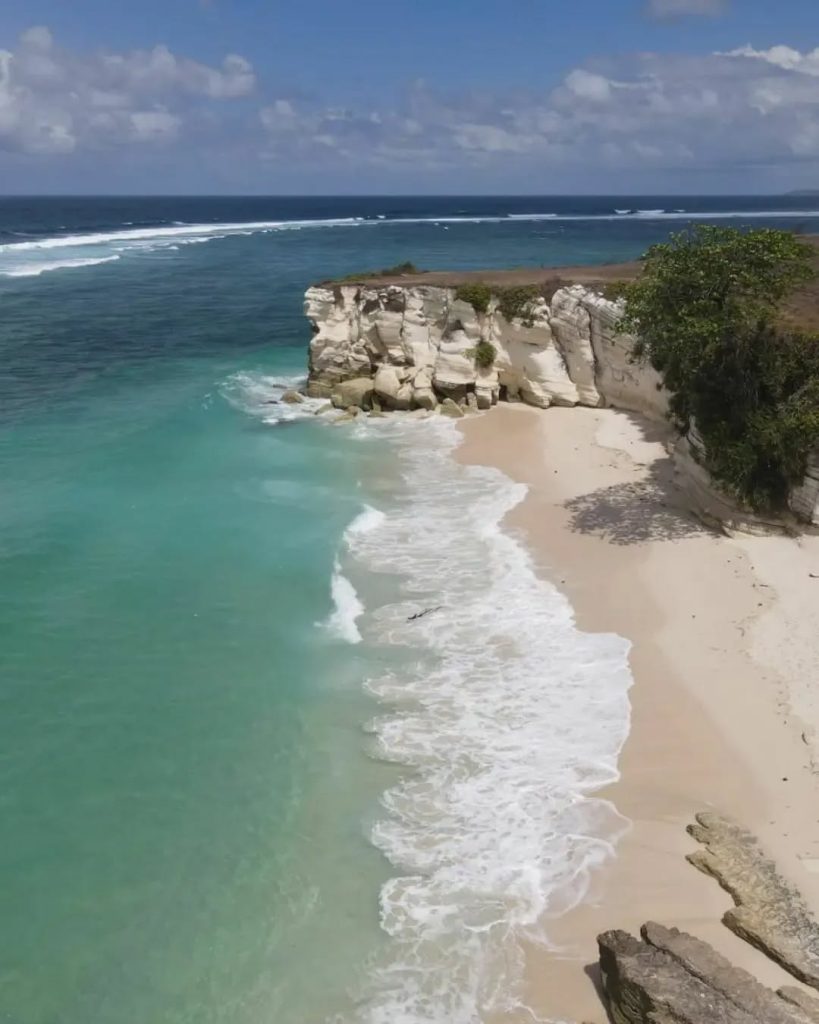
Wide savannahs, waterfalls, and dramatic coastlines
Horse culture reflecting Sumba’s historical heritage
These experiences are best planned through curated Sumba Tours that prioritize cultural respect, local communities, and responsible travel practices.
Travel in Sumba requires careful planning due to limited infrastructure, long driving distances, and varying road conditions. Flexibility and local knowledge are essential for a smooth experience.
Due to these conditions, Sumba is best explored through private and tailor-made tours in Indonesia, allowing itineraries to be adapted to travel pace, interests, and local conditions without unnecessary pressure.
Private travel also enables meaningful interactions with local communities while ensuring comfort, safety, and logistical efficiency.
Cultural sensitivity is central to traveling in Sumba. Visitors are encouraged to dress modestly, seek permission before photography, and respect ceremonial spaces. Traveling with local guides ensures cultural protocols are followed appropriately.
Responsible travel also supports local livelihoods through community-based accommodations, handicrafts, and cultural experiences that contribute directly to village economies.
Sumba can be visited year-round, but seasonal differences affect landscapes and travel conditions.
Dry season (April–October): Ideal for outdoor exploration, photography, and ceremonies
Green season (November–March): Lusher landscapes with fewer visitors, though occasional rain may affect travel routes
Choosing the right season depends on travel goals, which is why itinerary planning plays an important role.
Sumba offers a strong contrast when combined with more developed destinations such as Bali or Java.
Many travelers combine Sumba with Bali or Java as part of broader Indonesia Tours, creating a journey that balances comfort, culture, and raw natural beauty.
Yes. Sumba is suitable for first-time travelers seeking authentic cultural experiences, especially when traveling with professional local operators who manage logistics and cultural protocols.
A meaningful visit to Sumba typically requires 4–7 days, allowing time to explore villages, landscapes, and cultural experiences without rushing.
Yes. Sumba is safe for visitors when itineraries are arranged by experienced local guides who understand local conditions and community practices.