
A complete guide to exploring Indonesia’s most iconic national park responsibly
This Komodo travel guide is created by a trusted Indonesia tour operator to help travelers explore the national park safely, responsibly, and with local expertise.
Komodo National Park is a UNESCO-listed conservation area known for the legendary Komodo dragons, dramatic island landscapes, and some of Indonesia’s richest marine biodiversity. Visiting Komodo requires proper planning due to conservation rules, access limitations, and changing sea conditions.
Komodo National Park can be visited throughout the year, but travel conditions vary depending on the season, sea state, and wildlife activity. Understanding the seasonal differences helps travelers plan a smoother and safer experience.
The dry season (April to October) is generally considered the best time to visit Komodo. During these months, sea conditions are calmer, visibility for snorkeling and diving is excellent, and trekking routes on the islands are more accessible. This period is ideal for island hopping, photography, and wildlife observation.
The green season (November to March) brings occasional rain and rougher seas. While landscapes become greener and fewer visitors are present, some sailing routes may be adjusted depending on weather conditions. Travel during this period is best suited for flexible itineraries arranged by experienced local operators who closely monitor conditions.
These highlights are best explored through curated Komodo Tours designed around conservation guidelines and sea safety.
Komodo National Park is a protected conservation area, and responsible travel plays a critical role in preserving its unique ecosystem. Visitors are required to follow strict park regulations, including staying with licensed guides, respecting wildlife boundaries, and adhering to designated trekking paths.
Komodo dragons are wild animals, and safe distances must always be maintained. Feeding or approaching wildlife is strictly prohibited. Marine conservation is equally important, with snorkeling and diving activities conducted in designated zones to protect coral reefs and marine life.
Travelers who choose professionally guided tours contribute directly to conservation efforts, as licensed operators work in coordination with park authorities and local communities to ensure long-term sustainability.


Komodo National Park appeals to a wide range of travelers, particularly those seeking nature, adventure, and unique wildlife encounters. The destination is well suited for:
Due to uneven terrain and boat-based travel, Komodo may not be ideal for travelers with limited mobility. Private itineraries allow adjustments in pacing, activity level, and accommodation standards to suit individual needs.
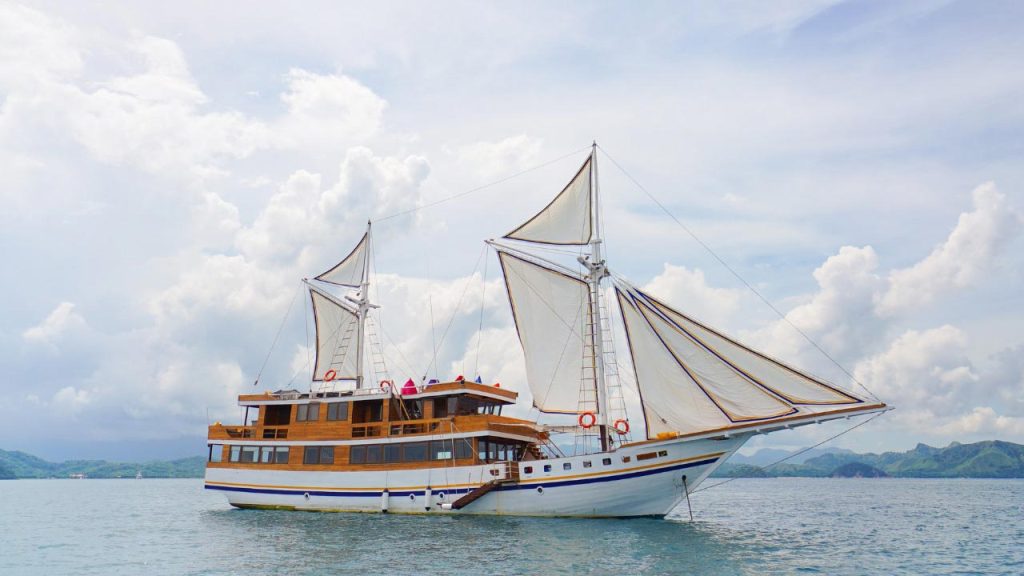
Iconic routes are covered through experiences such as the Komodo Island Sailing Trip, designed with balanced pacing and expert local crews.
Advance planning is essential when visiting Komodo National Park. Visitor quotas, seasonal conditions, and sailing availability can impact travel arrangements, especially during peak periods.
Key planning considerations include:
Choosing the right duration based on interests
Selecting licensed operators and registered boats
Understanding safety briefings and park rules
Allowing buffer days for weather-related changes
A well-planned itinerary ensures travelers can focus on the experience rather than logistics, making the journey both enjoyable and responsible.
Komodo pairs naturally with Bali, Flores, and Java as part of extended Indonesia Tours.
Yes. Komodo National Park is safe to visit when travelers are accompanied by licensed guides and professional operators who follow park regulations, safety protocols, and conservation guidelines.
Most travelers spend 2–4 days exploring Komodo National Park. This allows enough time for island hopping, wildlife encounters, snorkeling, and scenic viewpoints without rushing.
Yes, Komodo can be suitable for families with older children when itineraries are carefully planned. Private trips with experienced guides ensure safety, flexible pacing, and age-appropriate activities.